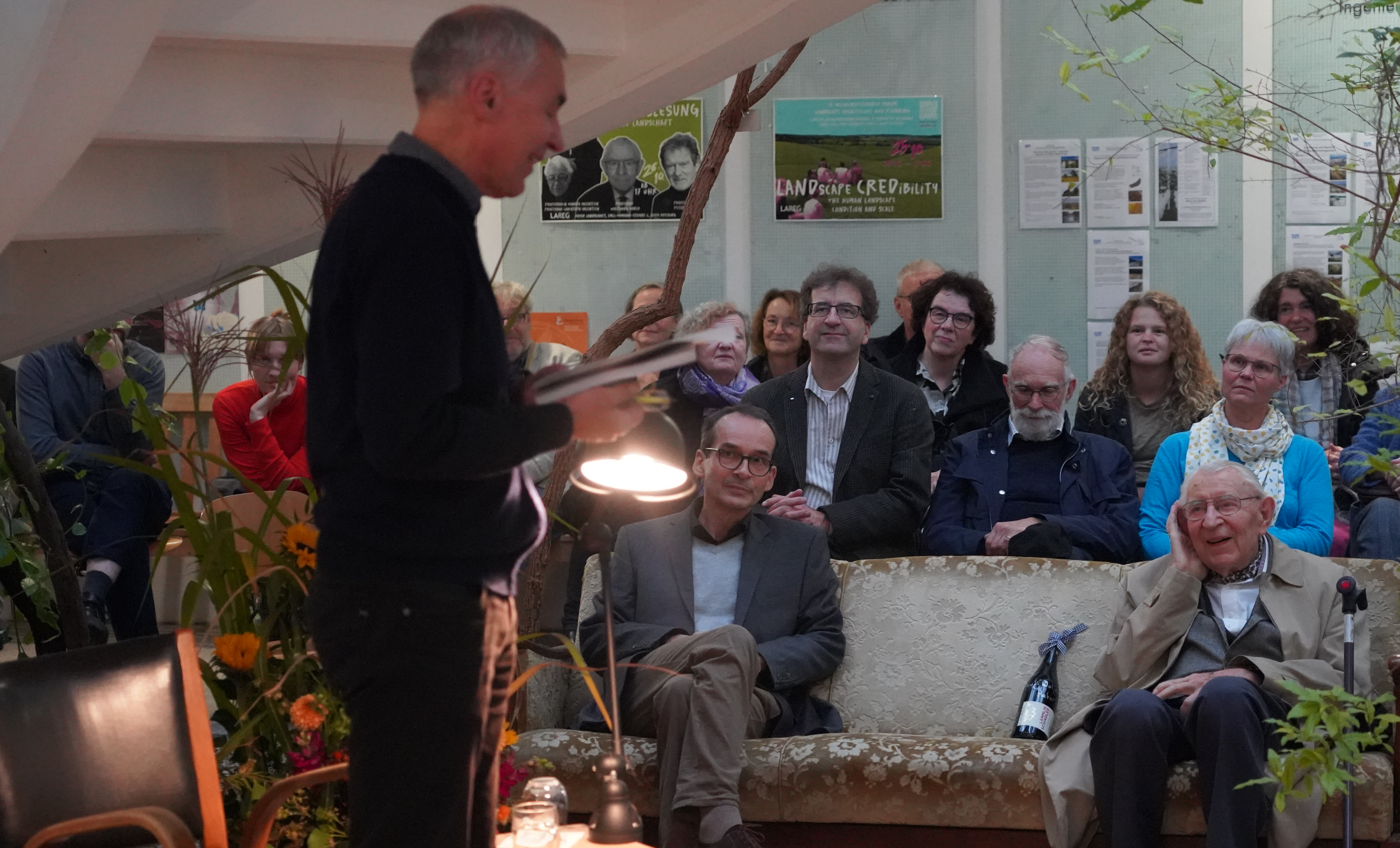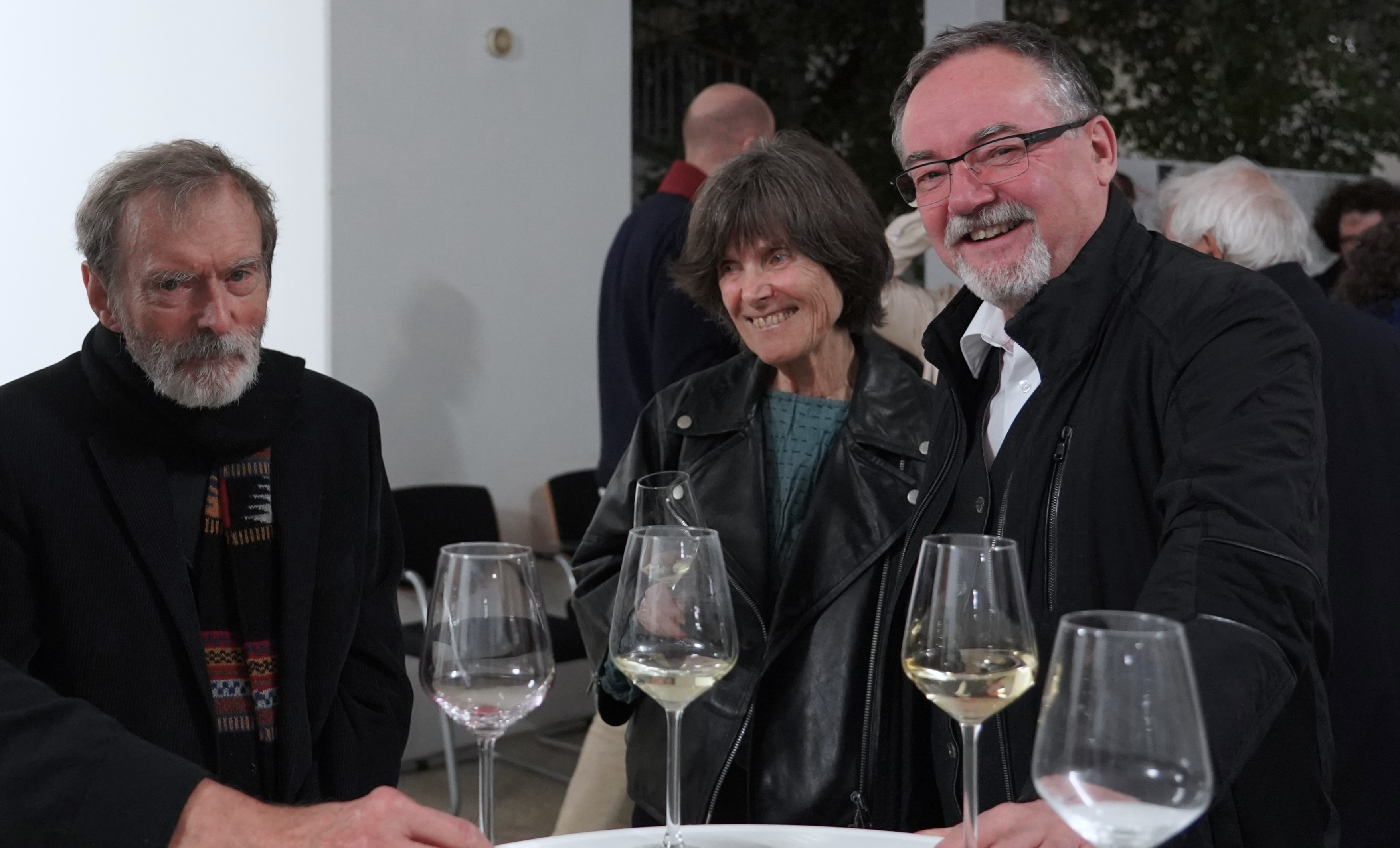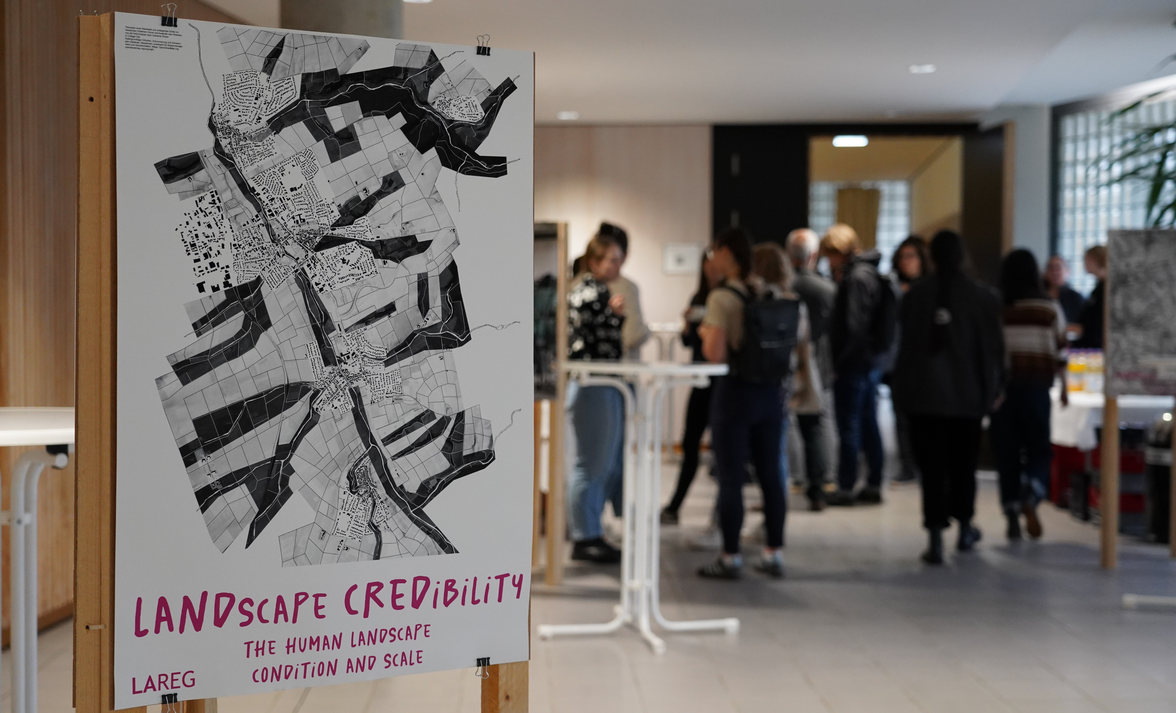
Weihenstephaner Forum 2024 at the TUM Forestry Building
© Huang Qi
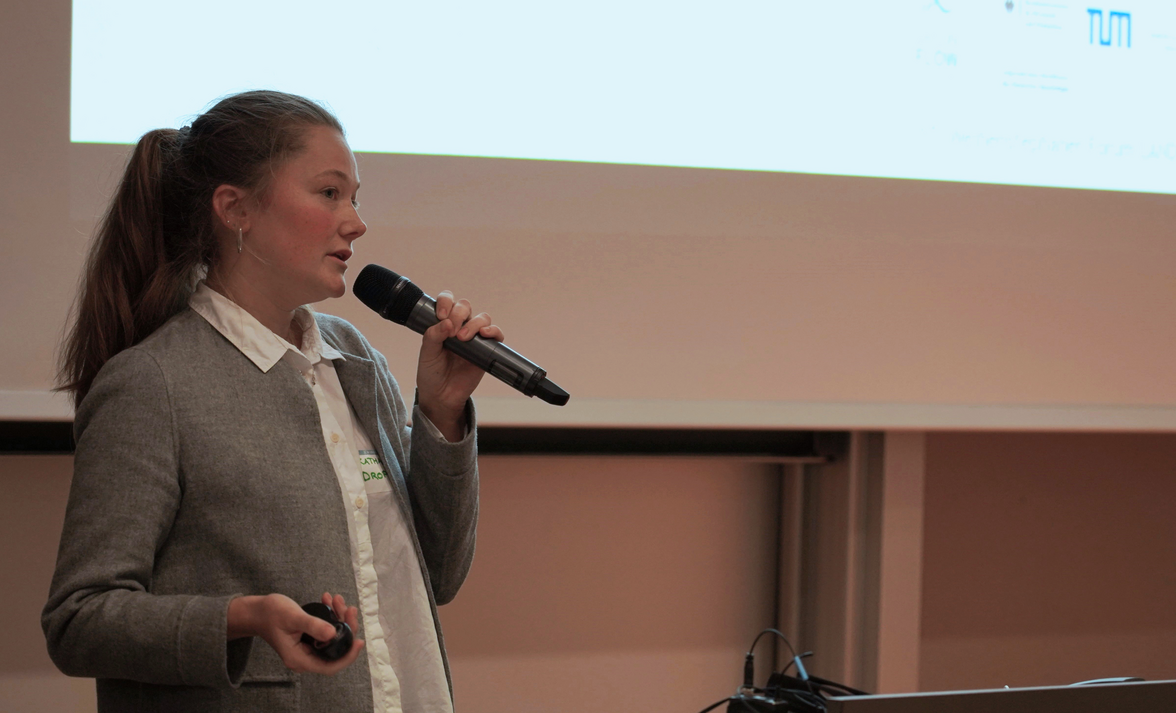
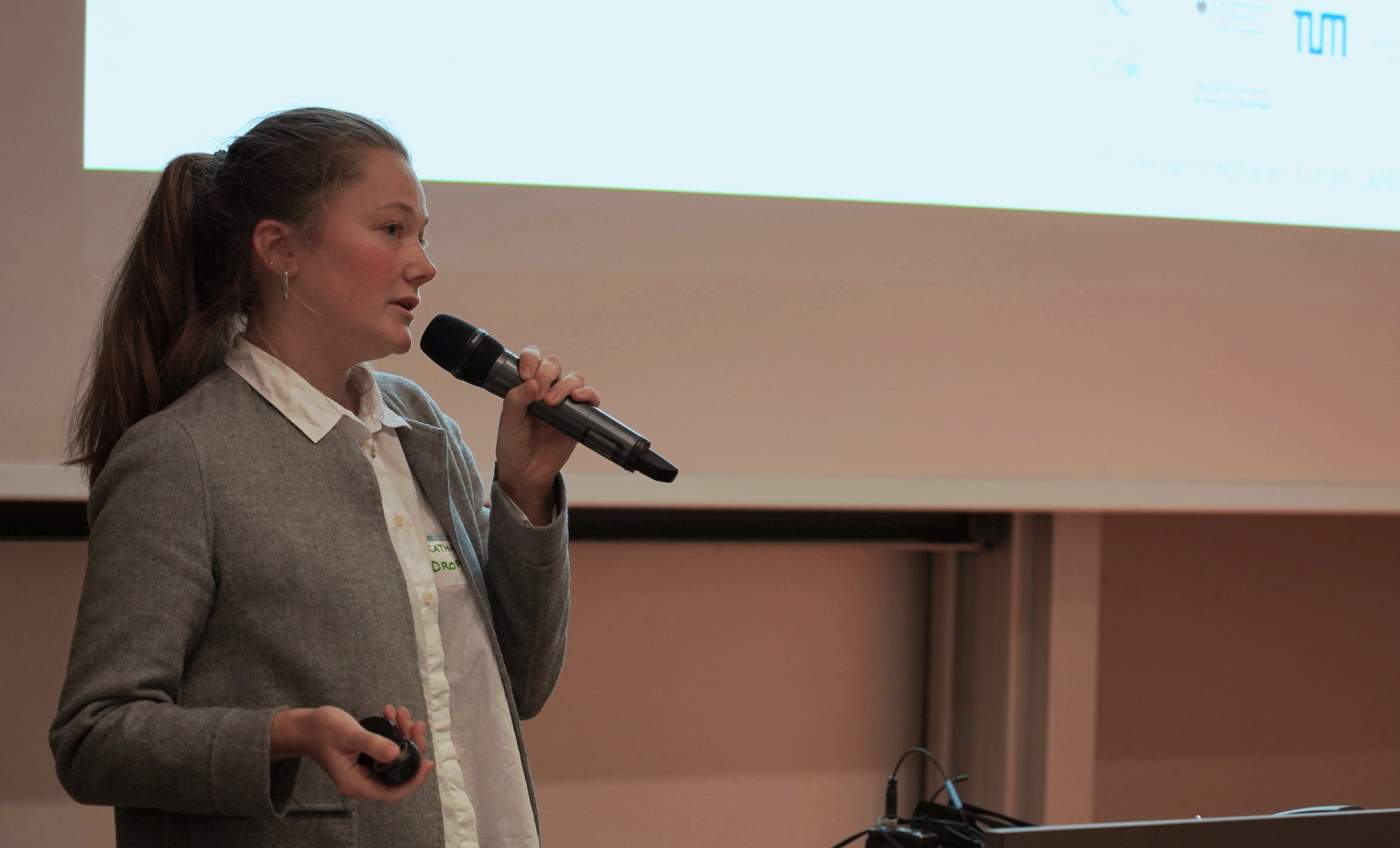
Lecture Katharina Dropmann
© Huang Qi
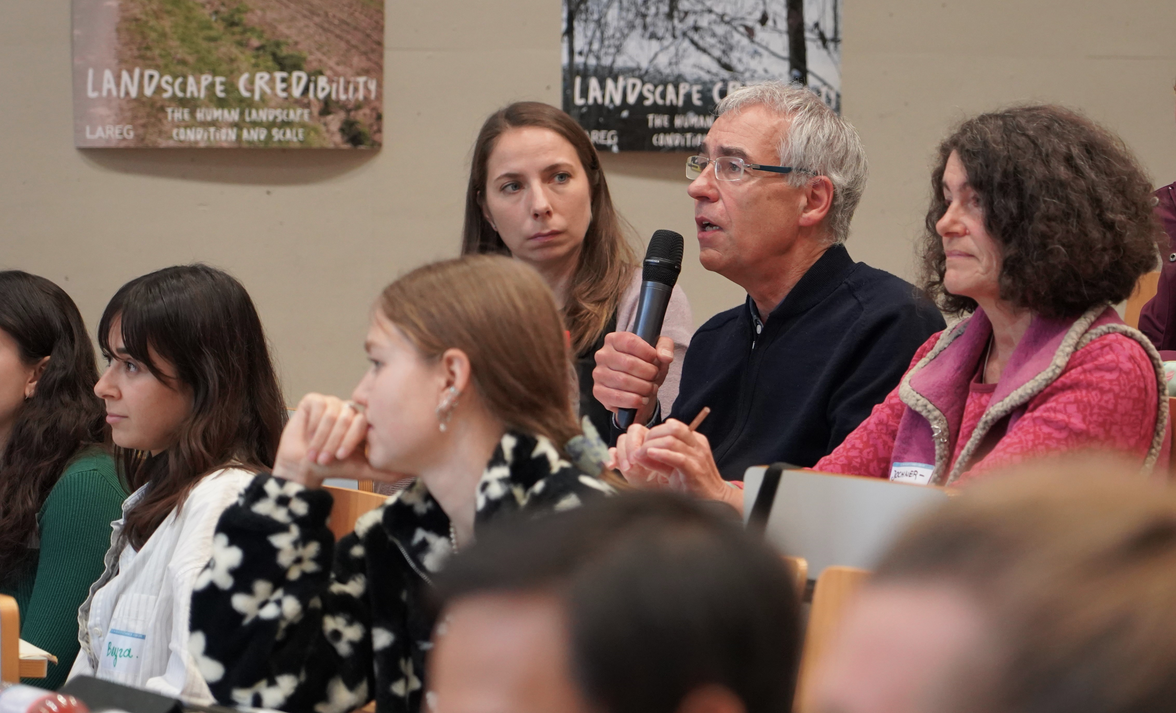
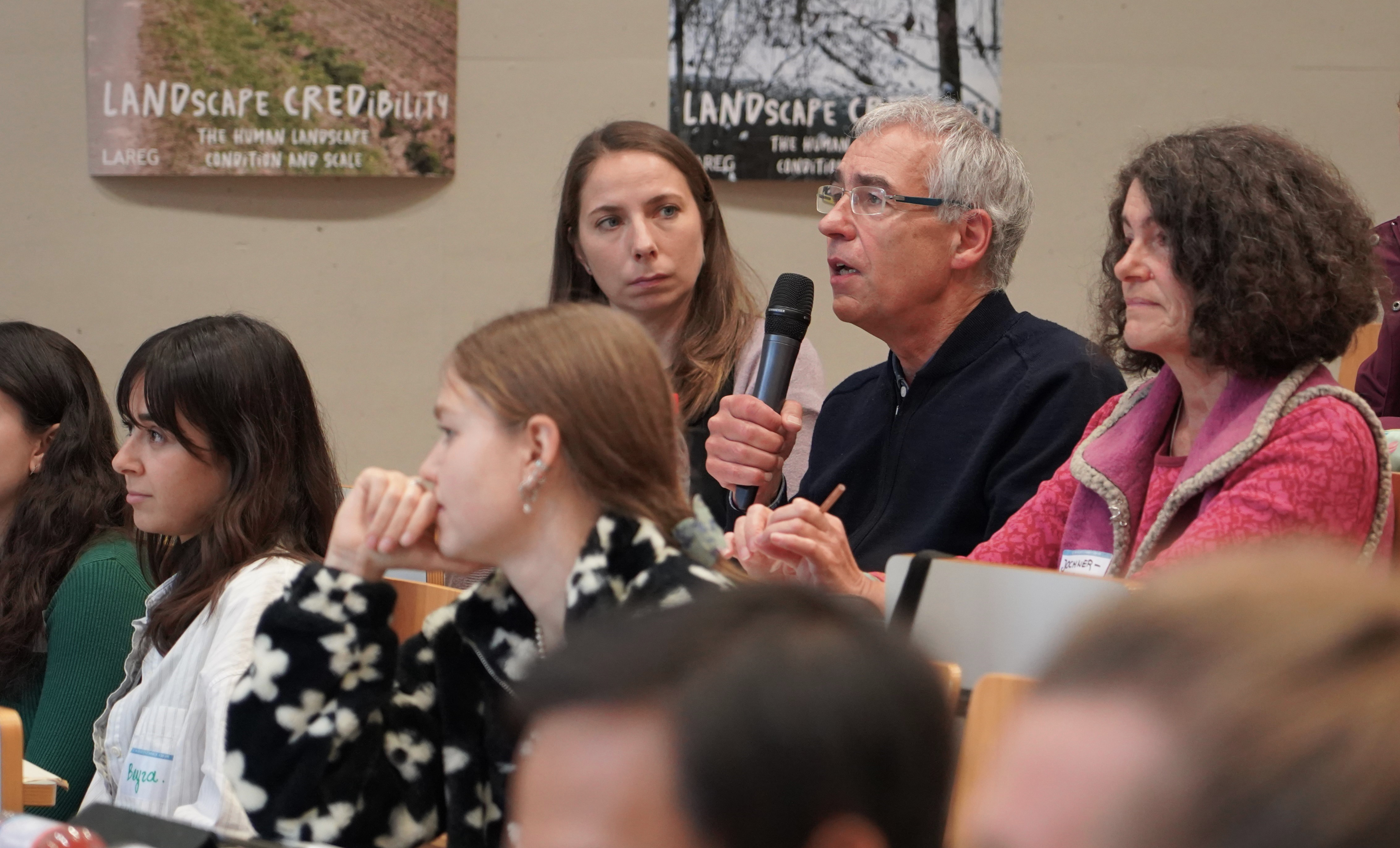
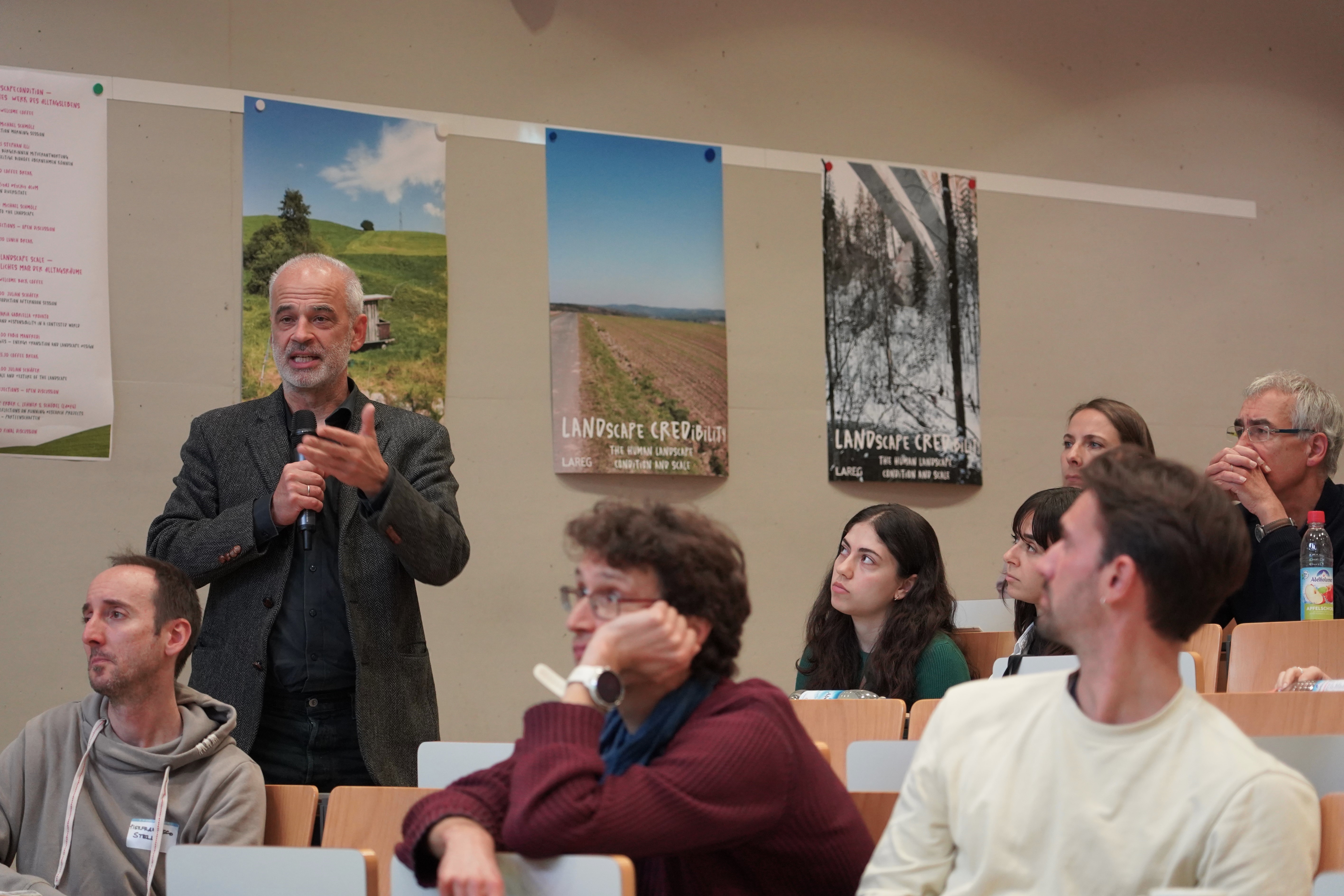
Discussion contribution Prof. Dr. Stephan Pauleit
© Huang Qi
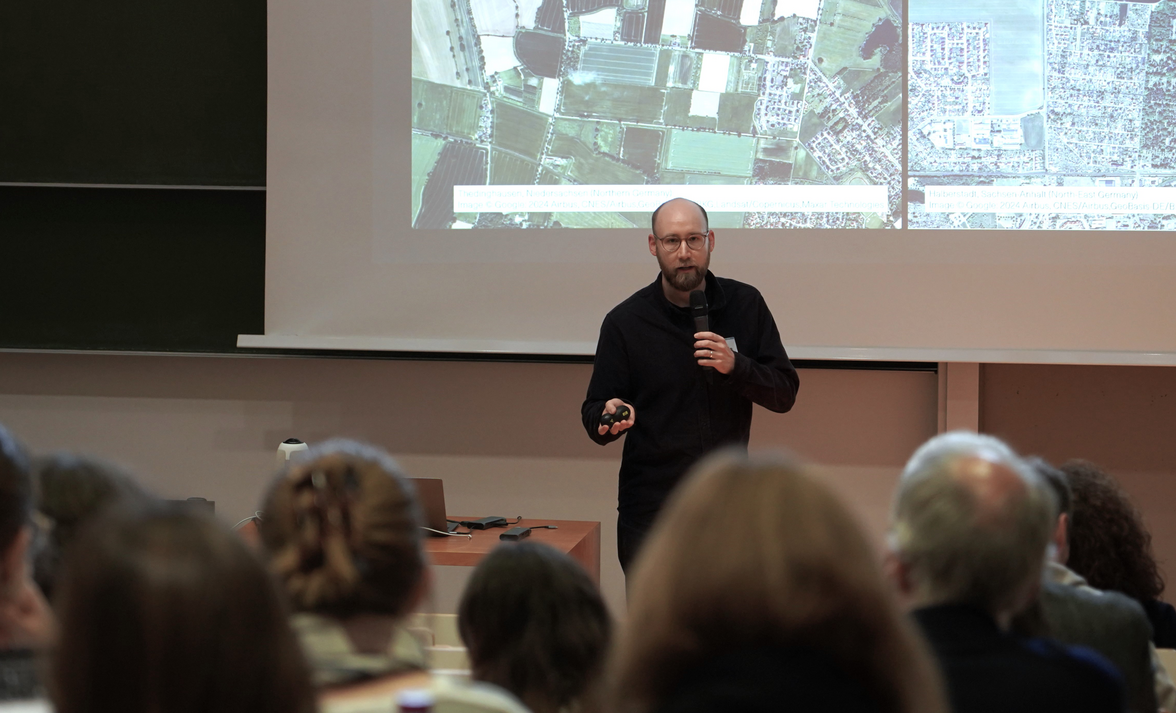
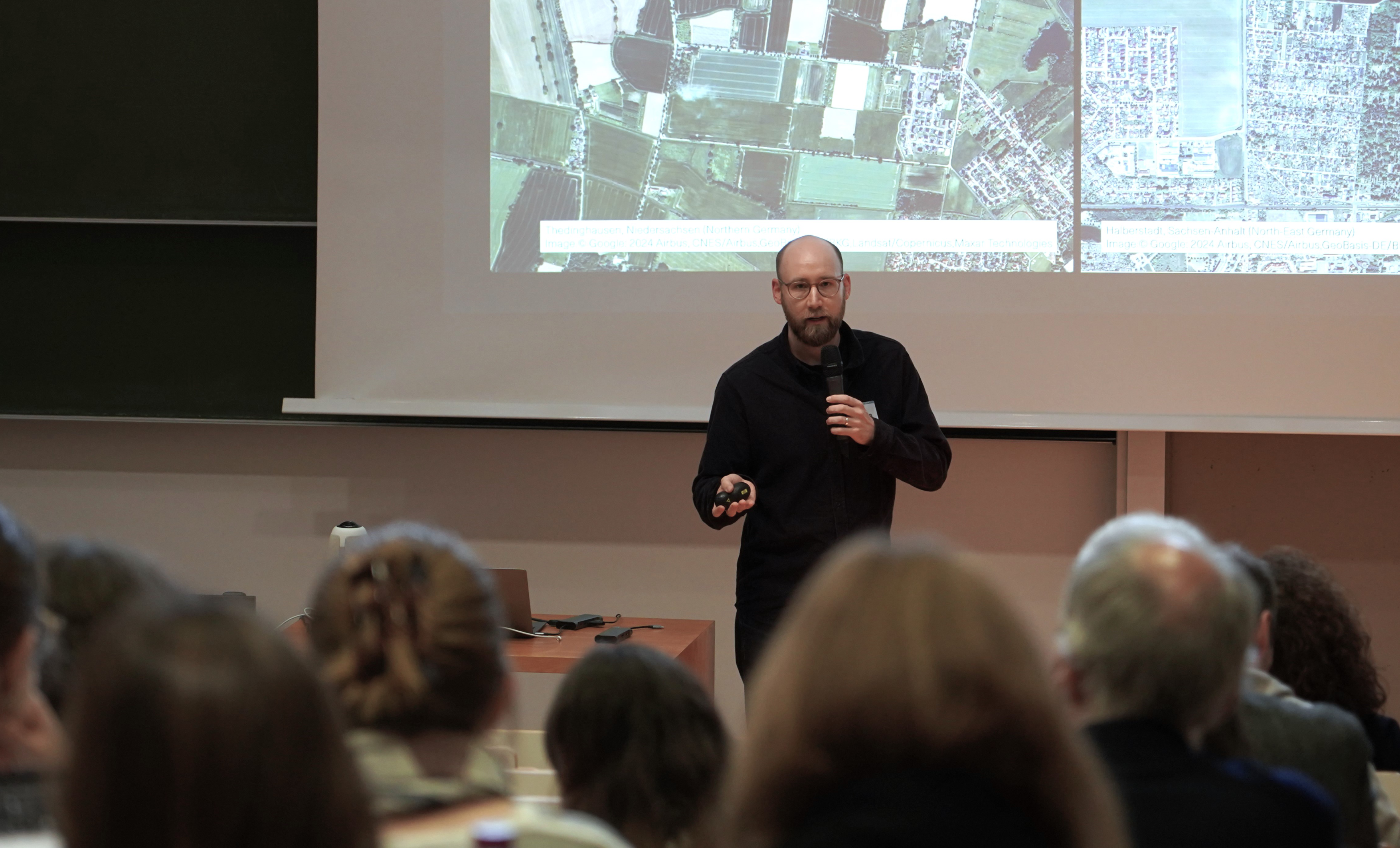
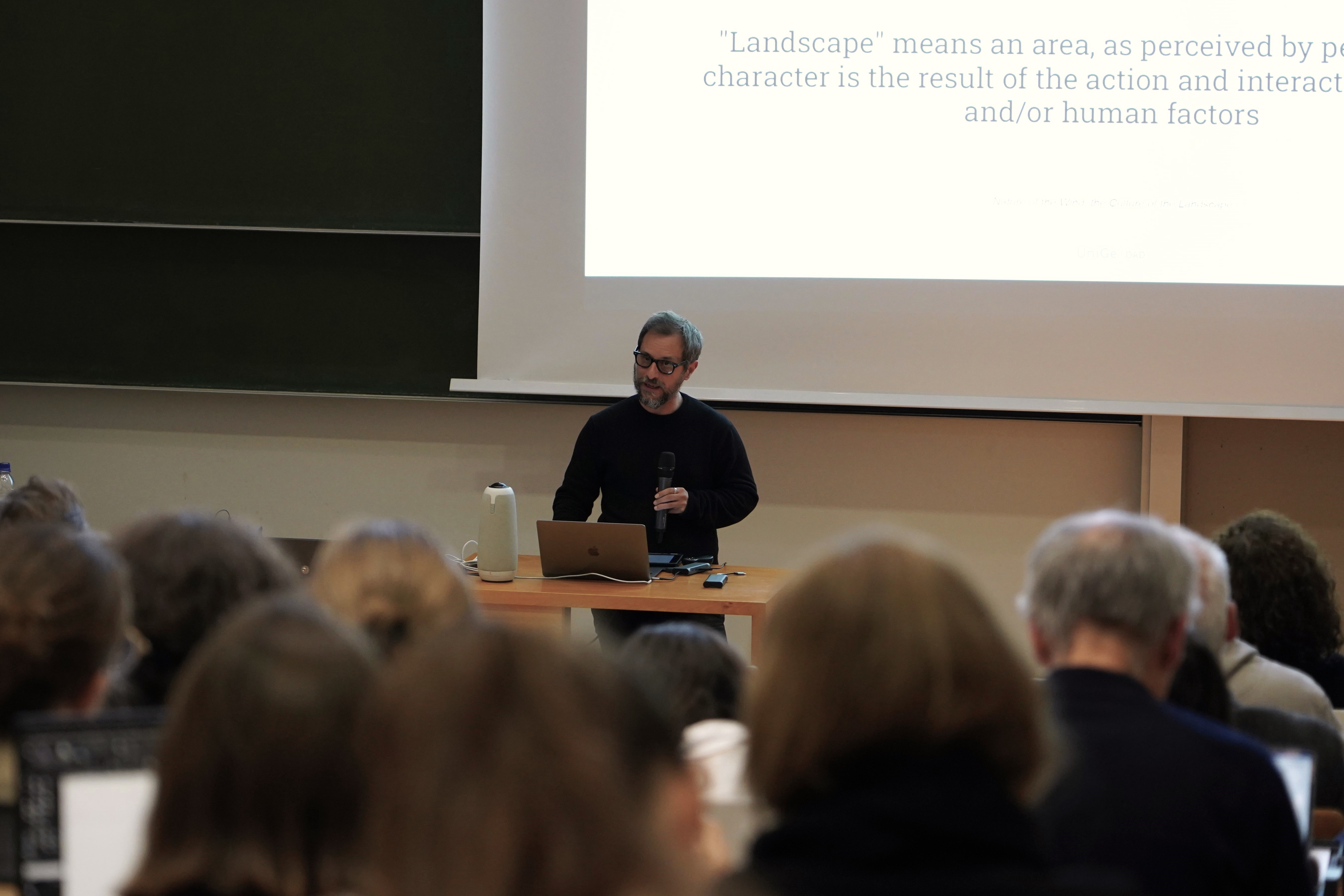
Lecture Dr. Julian Schäfer
© Huang Qi
17th Weihenstephaner Forum on Landscape Architecture and Landscape Planning 2024
The 17th Weihenstephaner Forum for Landscape Architecture and Planning focused on the theme of “LAND CRED landscape credibility.” Who can, may, and should shape cultural landscapes today, and how does this change them?
Two research projects based at the TUM Chair of Landscape Architecture of Regional Open Spaces (LAREG) – Michael Schmölz's ongoing doctoral project and Julian Schäfer's completed dissertation – set the content framework for the symposium. In their research, both landscape architects address the question of how contemporary landscapes need to be developed and designed from the perspective of social space in the landscape.
The invited presentations were organized into thematic blocks according to their research approaches:
- Michael Schmölz: The Human Landscape Condition
- Stephan Illi: Community property – How citizens can take joint responsibility for soil, landscape, and diverse organic farms
- Peisaj Deschis Acum: Doar Prin Diversitate
- Michael Schmölz: The Right to the Landscape
- Julian Schäfer: The Human Landscape Scale
- Maria Gabriella Trovato: Landscape Architecture's Role and Responsibility in a Contested World
- Fabio Manfredi: Landscape Proportions and Morphologies – Energy Transition and Landscape Design
- Julian Schäfer: Collage Landscpae – Scale and Texture of the Landscape
Finally, research assistants from the organizing professorship presented two ongoing third-party funded research projects in which the theoretical framework is to be put into practice – Katharina Dropmann, Paula Erber, and Charlotte Lehner: Energy Landscape Credibility – Reflections on Running Research Projects (GrowFlowFLy & PartEEnschaften).



Social qualities of contemporary landscape
The Weihenstephaner Forum 2024 focused on the social and aesthetic aspects of the transformation of cultural landscapes. The central question was how the goals and methods of landscape design can be communicated credibly – not just to ‘take citizens along’, but to actively empower and inspire them to help shape their own environment.
The forum emphasized the importance of creative and intergenerational participation in planning and transformation processes, far beyond formal participation. The European cultural landscape served as a model – with its wealth of biological and social diversity, uniqueness, and beauty. It is about more than protection – it is about the right to landscape, as demanded by the European Landscape Convention, which Germany has not yet acceded to.
The following text is the translation of an excerpt from (German original text):
Sören Schöbel, Julian Schäfer, Michl Schmölz: LANDscape CREDibility. Cultural landscape as a Work and Measure of Everyday Life (Download: Full Text as PDF (DE))
Landscape and credibility
Cultural landscapes as everyday environments, social spaces, and a collective work can only be cultivated with the help of the people who live there. Who has the necessary credibility to make decisions about landscapes today? And who actually exerts influence? Under the title Landscape Credibility, we asked these questions and took up the concept of street credibility – the authentic, practice-based knowledge of subcultural milieus. Our goal was to find people who have both theoretical knowledge and practical experience and are thus credible voices in the discussion about landscape development.
Right to Landscape and Collage Landscape
Back in October 2015, we called for a new landscape contract at the Weihenstephan Forum. We questioned the prevailing functionalist approach to planning and advocated a more diverse understanding of cultural landscape. Building on this approach, several doctoral projects at our department have examined how people use landscapes socially today. They are not concerned with green spaces or recreational facilities, leisure or green infrastructure, or aesthetic backdrops, but with open space and landscape as a space in which the everyday life of residents in increasingly (sub)urban rural areas takes place. Michl Schmölz examines the everyday practical value of landscape by engaging with the theoretical work of Henri Lefebvre and through participant observation of everyday, sometimes ‘unruly practices’, and calls for a right to landscape derived from this. In his dissertation, Julian Schäfer examines how landscape becomes legible as public space through figure-ground diagrams and texture plans – an approach that goes back to the urban design theory of Colin Rowe and Fred Koetter. [read more (DE)]
Anniversary honours
The crowning finale of the forum was the anniversary celebration, which took place during the event on Saturday, October 26. The event celebrated the birthdays of former professors Donata Valentien and Christoph Valentien, Peter Latz, and Wolfang Haber. Selected texts were read aloud by the current chair holders – Regine Keller, Udo Weilacher, and Stephan Pauleit – as part of short readings. This ceremony lent the forum an intimate yet festive atmosphere and provided an opportunity for collegial exchange afterwards.
The positive response and keen interest of the participants have already generated anticipation for the next Weihenstephan Forum. The LAREG professorship would like to express its sincere thanks to all helpers, visitors, and speakers!