
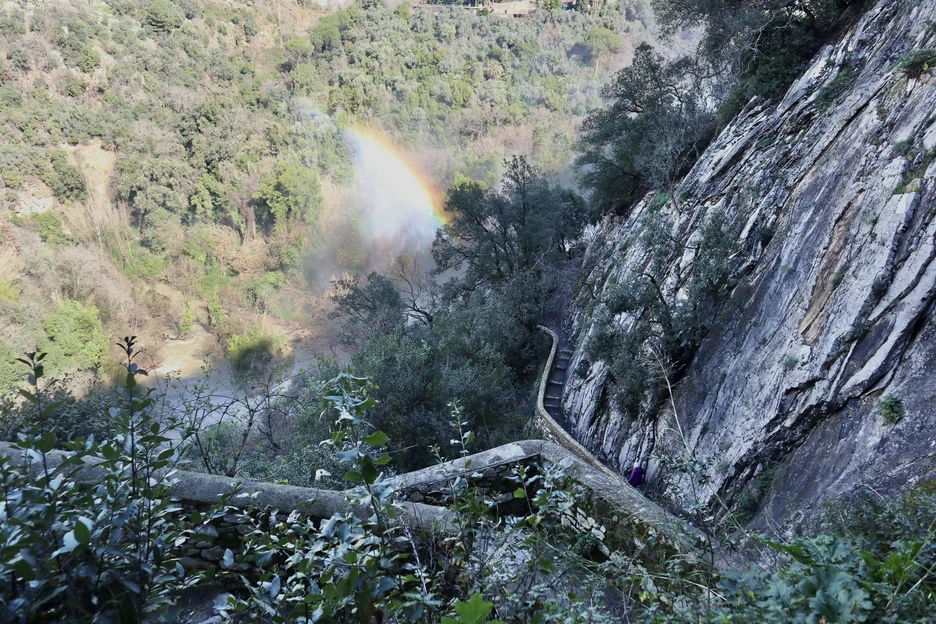
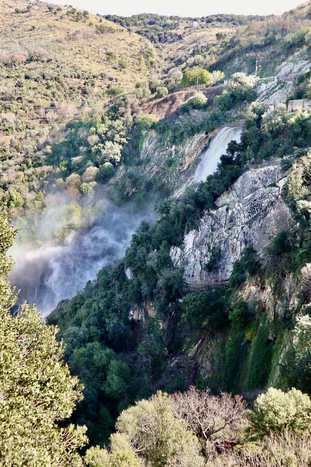
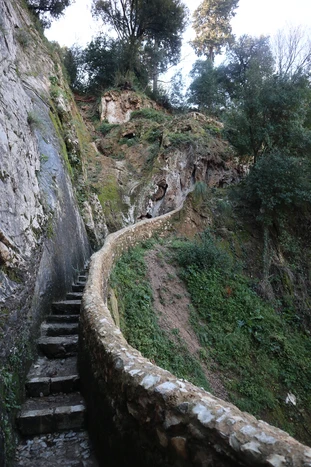
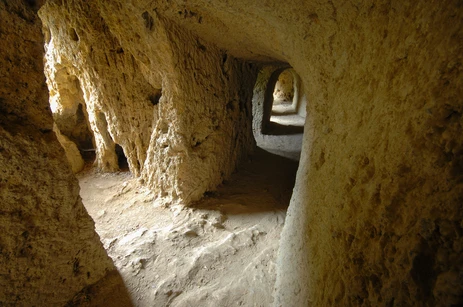
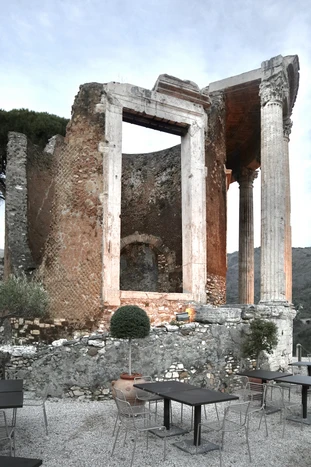
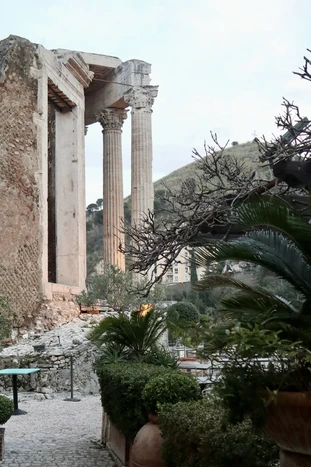
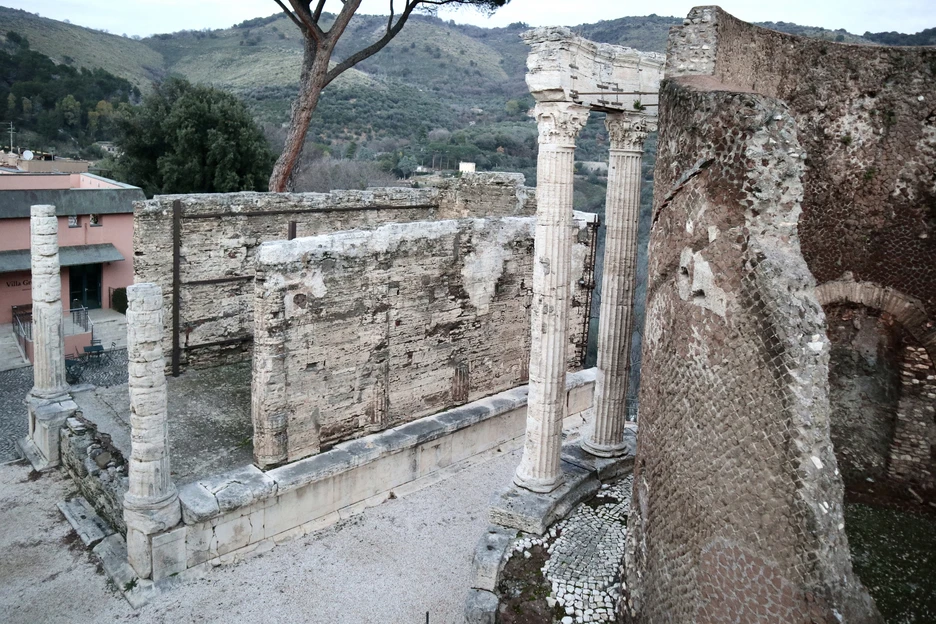
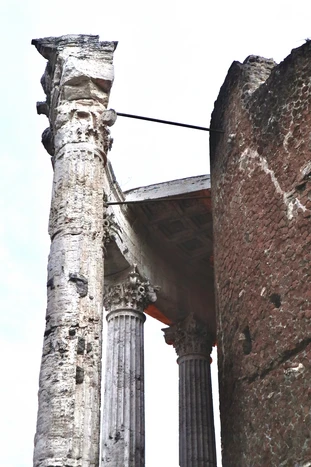
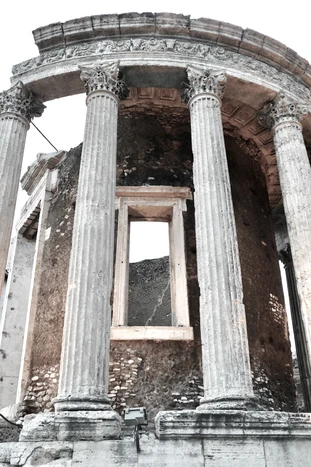
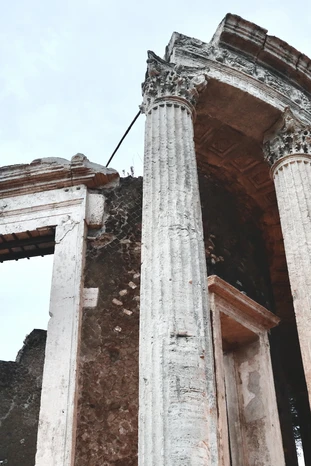
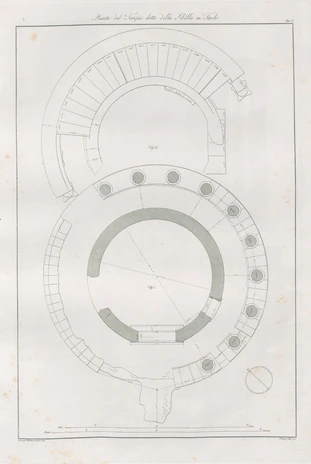
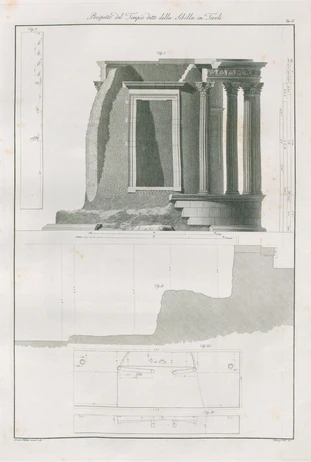
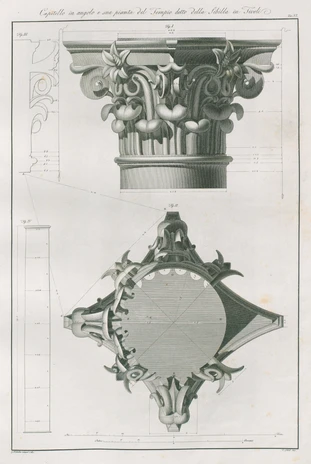
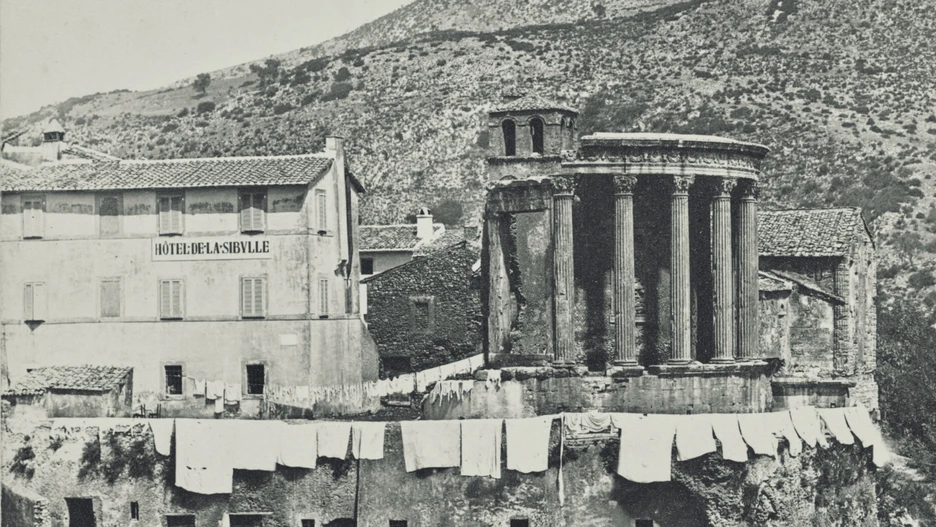
The case of Villa Gregoriana & the Roman Temples of Tivoli
Rome, Italy

The Beauty of Architectural Surfaces
An introduction to technical aspects
SS 2026
Abstract
This course has been conceived with a three-step structure namely: (1st step) Manufacturing processes and techniques; (2nd step) Materials, Deterioration patterns and Restoration techniques and (3rd step) Conservation-Restoration Project of the case study.
Classes are designed in a dual form of frontal lectures and review meetings spinning around an applicative case study - Villa Gregoriana & the Roman Temples of Tivoli | Rome, Italy
(1st step) According to expertise, the lecturers involved will introduce the different manufacturing techniques of surfaces starting from roman concrete to rendering and ready made concrete surfaces. Students will be asked to reproduce different types of surfaces in their ornamental compositions and aesthetic features by pencil drawing (design from models), all the while conceiving novel solutions for the case of Villa Gregoriana & the Roman Temples of Tivoli | Rome, Italy
(2nd step) Mapping of materials and restoration techniques by means of computer-aided methods (CAD).
(3rd step) Student will be asked to provide us with their “own ideas for the repurposing of the site” especially for the case study of this semester.
| Lecturer/s | Roberta Fonti, Thomas Danzl |
| Activities will be conducted in cooperation with FAI (Fondo Ambiente Italiano), Giorgia Montesano | |
| Type/ Credits | Project + Excursion / 6 SWS, 12 ECTS |
| Semester | SS 2026 |
| Language | English (learning materials in German/English, individual review meetings in English) |
| Dates | Kick off 14.04.2026, 13:15 Room 1345 (0503.01.345) Every Tuesday 13:15 Excursion to Rome, Italy 02-04.06.2026 in collaboration with FAI Final Presentation 28.07.2026 |
| Guest Critic | Giorgia Montesano, director of Villa Gregoriana |
| Downloads | General presentation of the course and the case study |
| Links |





Further information / downloads
1. The use of the term architectural surface by conservator-restorers
2. Guidelines for the drawing from pictures
3. List of drawing materials and tips
4. Format for the drawing from pictures
5. Example for the drawing from pictures
6. Guidelines for mapping materials and degradation patterns
7. Example of orthophotos and degradation patterns
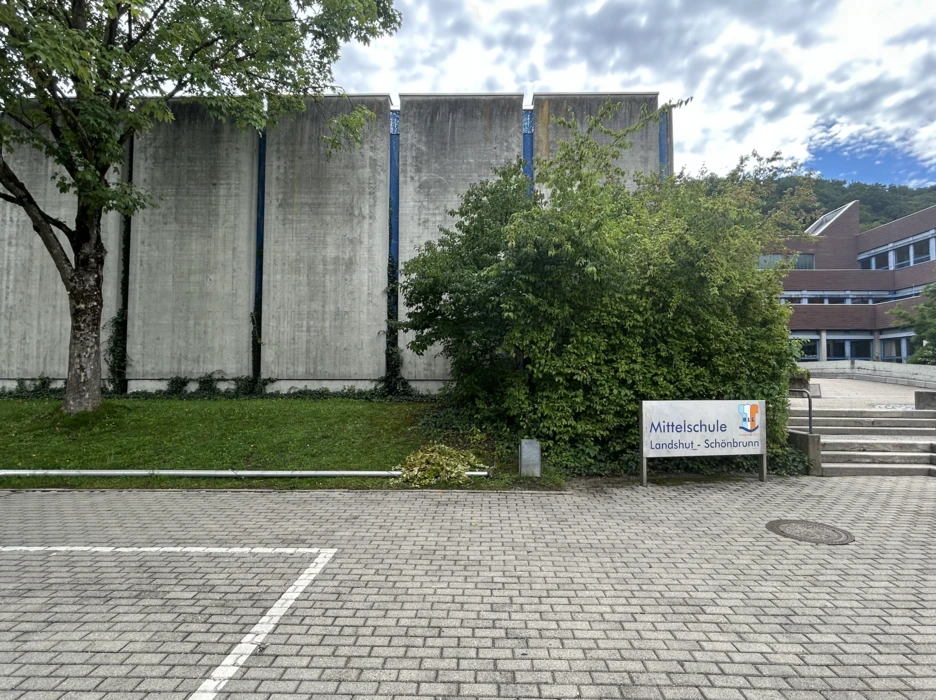
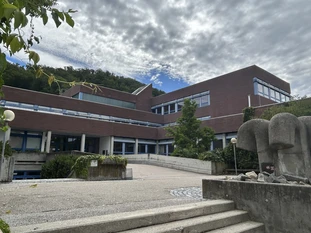
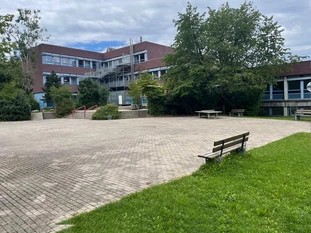
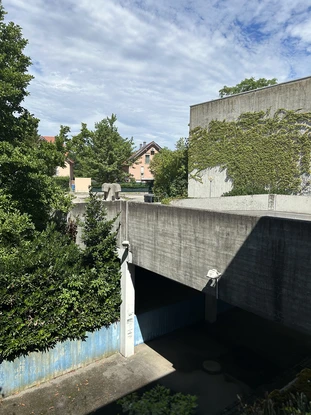
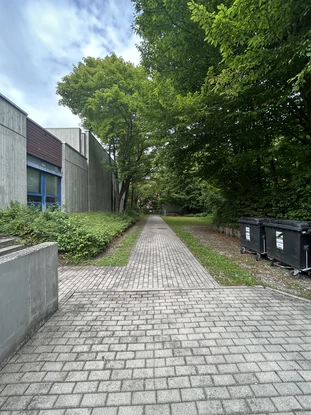
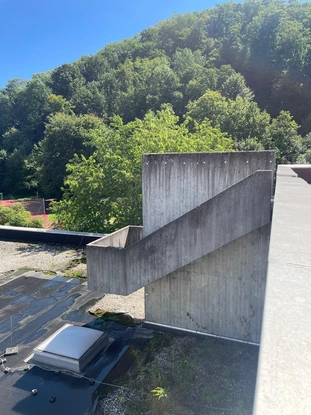
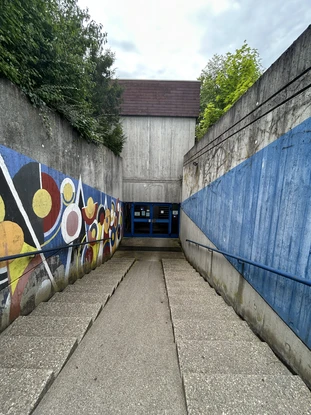
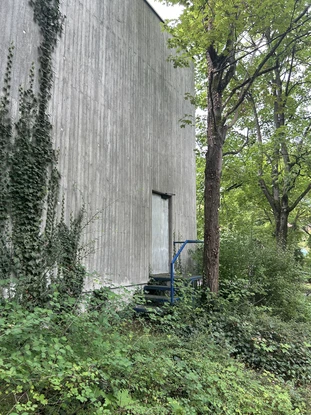
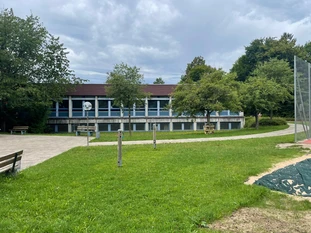
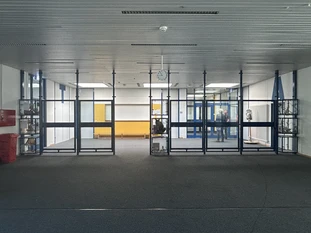
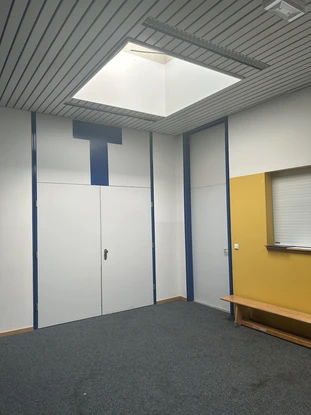
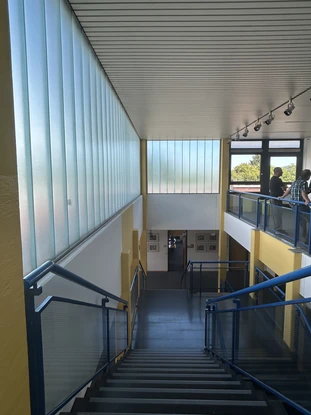
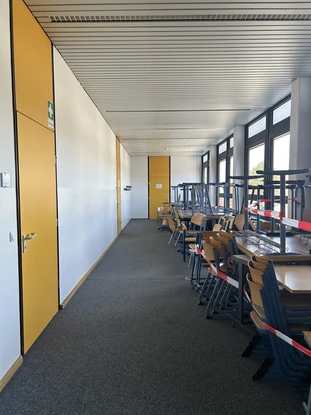
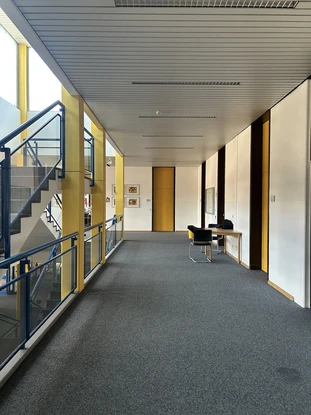
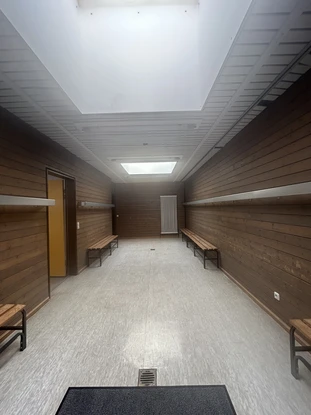
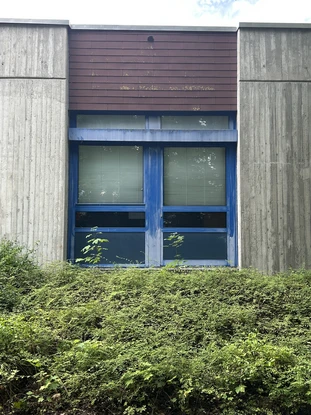
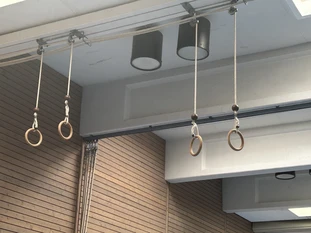
The case of Landshut | School "Am Schallermoos 15"
The Beauty of Architectural Surfaces
An introduction to technical aspects
WS 2025|26
Abstract
This course has been conceived with a three-step structure namely: (1st step) Manufacturing processes and techniques; (2nd step) Materials, Deterioration patterns and Restoration techniques and (3rd step) Conservation-Restoration Project of the case study.
Classes are designed in a dual form of frontal lectures and review meetings spinning around an applicative case study - Landshut | School "Am Schallermoos 15"
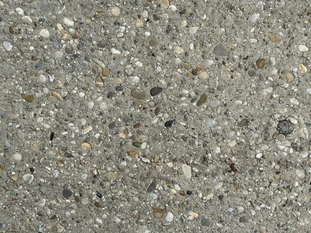
(1st step) According to expertise, the lecturers involved will introduce the different manufacturing techniques of surfaces starting from roman concrete to rendering and ready made concrete surfaces. Students will be asked to reproduce different types of surfaces in their ornamental compositions and aesthetic features by pencil drawing (design from models), all the while conceiving novel solutions for the case of Landshut | School "Am Schallermoos 15"
(2nd step) Mapping of materials and restoration techniques by means of computer-aided methods (CAD).
(3rd step) Student will be asked to provide us with their “own ideas for the repurposing of the site” especially for the case study of this semester.
| Lecturer/s | Roberta Fonti, Thomas Danzl |
| Activities will be conducted in cooperation with the City of Landshut | |
| Type/ Credits | Project + Excursion / 6 SWS, 12 ECTS |
| Semester | WS 2025|26 |
| Language | English (learning materials in German/English, individual review meetings in English) |
| Dates | Kick off 14.10.2025, 13:15 Room 2349 (0503.02.349) Every Tuesday 13:15 Excursion to Landshut (18.11 | in collaboration with the City of Landshut) and Berlin (19-21.11 | in collaboration with Proff. Jörg Haspel and Alexander Schwarz) Final Presentation 03.03.2026 [NUS Students 14.01.2026] |
| Guest Critic | Arch. Johannes Doll, City of Landshut Arch. Stefan Gahr, City of Landshut Prof. Arch. Jörg Haspel, University of Berlin TU Berlin | Deutsche Stiftung Denkmalschutz |
| Downloads | General presentation of the course and the case study |
| Links |









Further information / downloads
1. The use of the term architectural surface by conservator-restorers
2. Guidelines for the drawing from pictures
3. List of drawing materials and tips
4. Format for the drawing from pictures
5. Example for the drawing from pictures
6. Guidelines for mapping materials and degradation patterns
7. Example of orthophotos and degradation patterns
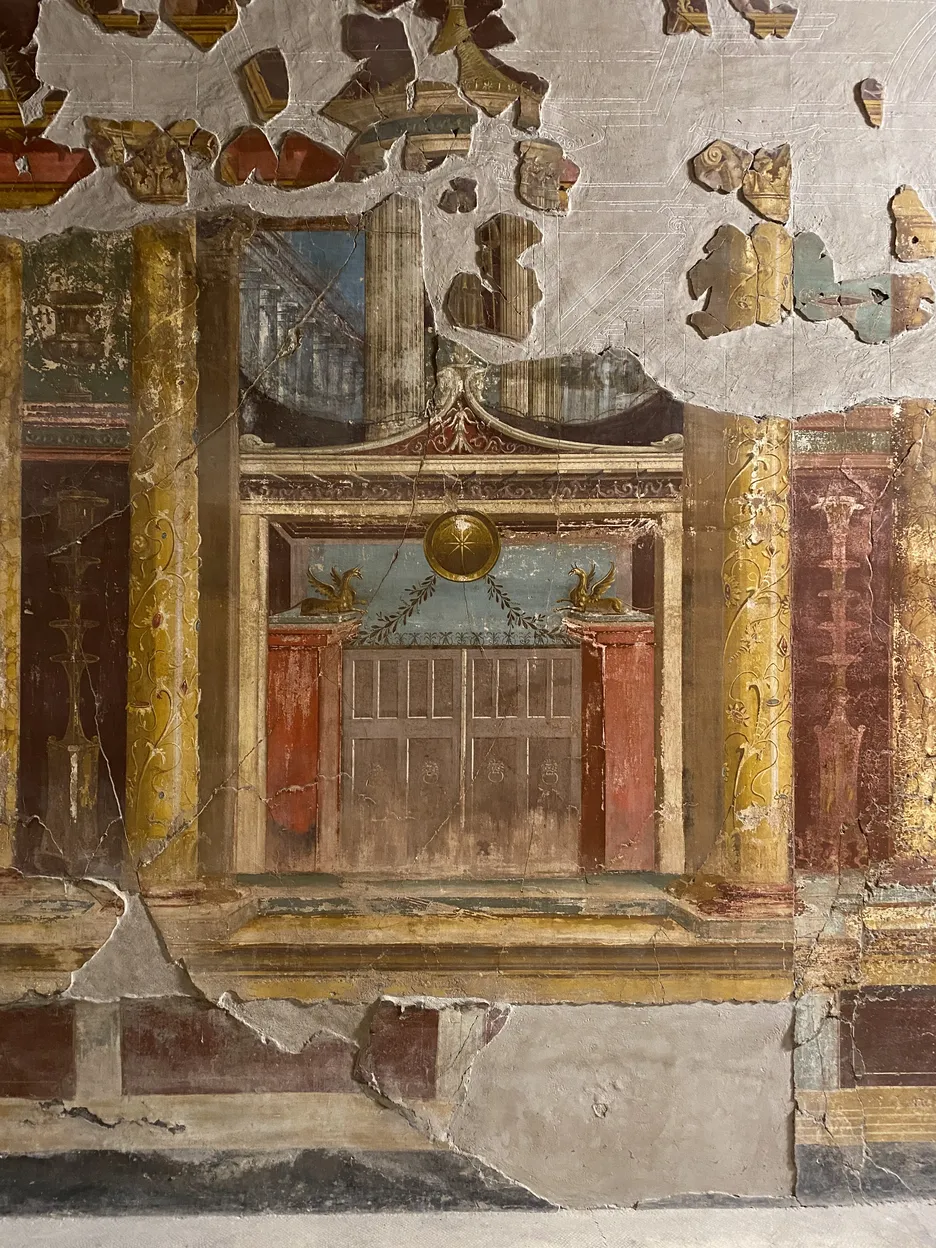
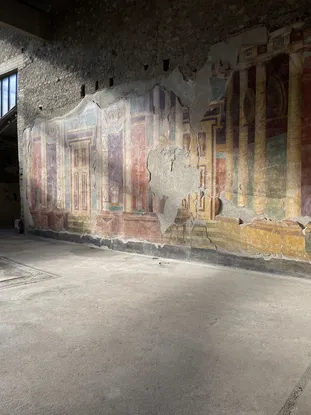
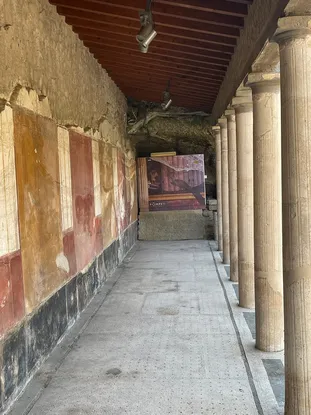
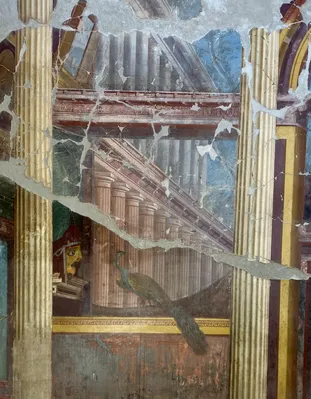
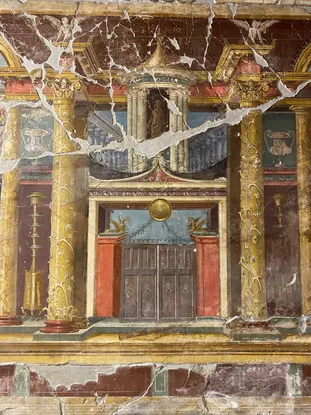
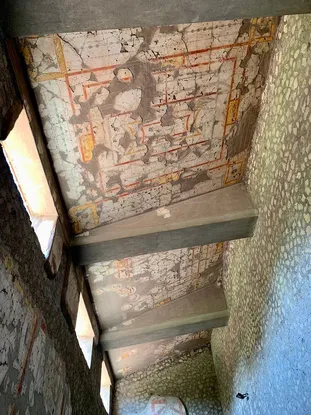
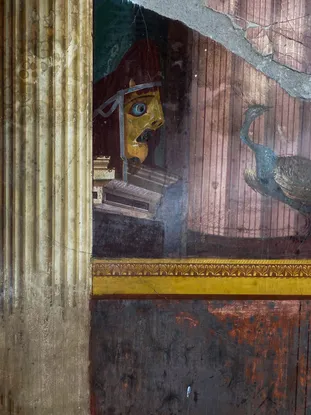
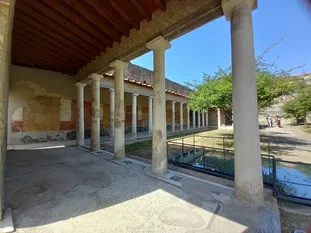
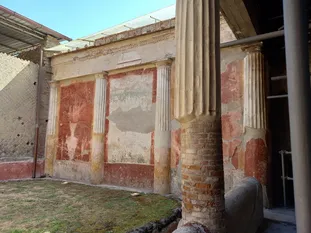
The case of the World Heritage Site Pompeii (Italy) - VILLA OPLONTIS
The Beauty of Architectural Surfaces
An introduction to technical aspects
SS 2025
Abstract
This course has been conceived with a three-step structure namely: (1st step) Manufacturing processes and techniques; (2nd step) Materials, Deterioration patterns and Restoration techniques and (3rd step) Conservation-Restoration Project of the case study.
Classes are designed in a dual form of frontal lectures and review meetings spinning around an applicative case study: – the Archaeological Remains of the Roman Villas of Oplontis at WHS Pompei
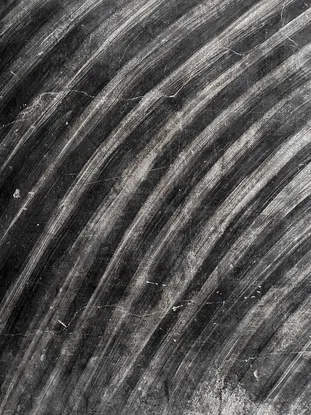
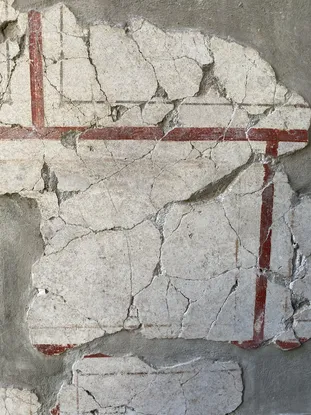
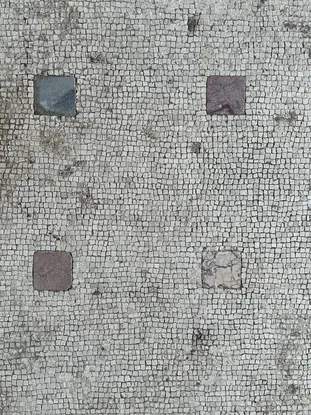
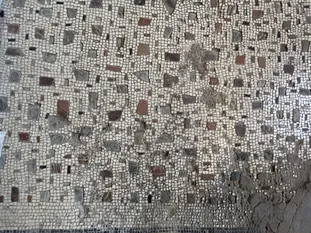
(1st step) According to expertise, the lecturers involved will introduce the different manufacturing techniques of surfaces starting from opus quadratum to Roman rendering and fresco works. Students will be asked to reproduce different types of surfaces in their ornamental compositions and aesthetic features by pencil drawing (design from models), all the while conceiving novel solutions for the missing parts of remains and restoration works in a state of a remain.
(2nd step) Mapping of materials and restoration techniques by means of computer-aided methods (CAD). These will focus on either Roman fresco or stone works.
(3rd step) Student will be asked to provide us with their own ideas for the musealization of the site as well as the design of new infrastructures and pathways for the fruition of the site.
| Lecturer/s | Roberta Fonti, Thomas Danzl |
| Activities will be conducted in cooperation with Parco Archeologico Pompei, Arch. Arianna Spinosa | |
| Type/ Credits | Project + Excursion / 6 SWS, 12 ECTS |
| Semester | SS 2025 |
| Language | English (learning materials in German/English, individual review meetings in English) |
| Dates | Kick off 29.04.2025, 13:30 Room 0503.01.345 Every Tuesday 13:30 Excursion to Naples and Pompeii, 26-30.05 Final Presentation 29.07.2025 |
| Guest Critic | Prof. Renata Picone, University of Naples, Federico II Prof. Luigi Cappelli, University of Naples, Federico II |
| Downloads | General presentation of the course and the case study |
| Links |
Further information / downloads
1. The use of the term architectural surface by conservator-restorers
2. Guidelines for the drawing from pictures
3. List of drawing materials and tips
4. Format for the drawing from pictures
5. Example for the drawing from pictures
6. Guidelines for mapping materials and degradation patterns
7. Example of orthophotos and degradation patterns
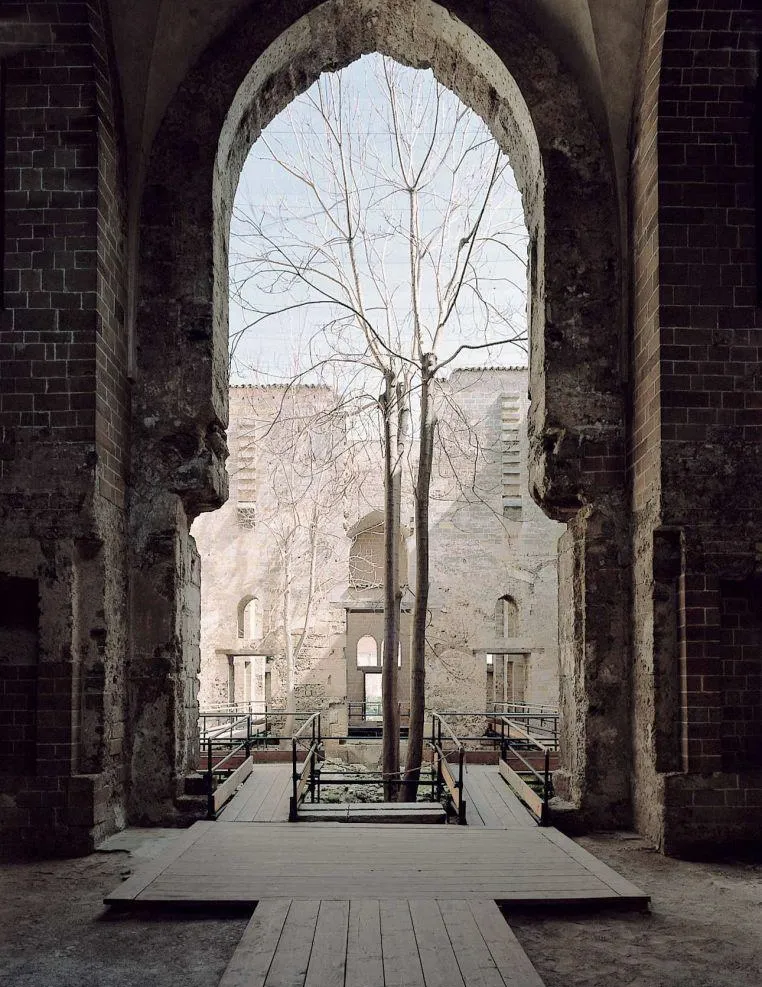
The case of the World Heritage Site Arab-Norman Palermo, Sicily (Italy) - LA CUBA
The Beauty of Architectural Surfaces
An introduction to technical aspects
SS 2024
Abstract
The course has been conceived with a three-step structure namely: (1st step) Manufacturing processes and techniques; (2nd step) Design according to standards and Restoration techniques and (3rd step) Conservation-Restoration Project of the case study.
Classes are designed in a dual form of frontal lectures and review meetings spinning around an applicative case study of LA CUBA.
(1st step) According to expertise, the lecturers involved will introduce the different manufacturing techniques of surfaces concentrating on stone works. Students will be asked to reproduce different types of surfaces in their ornamental compositions and aesthetic features by pencil drawing (design from models), and all the while conceiving novel solutions for the missing surfaces.
(2nd step) Mapping of materials and degradation patterns is expected to be delivered by comply with international standards and guidelines (i.e. ICOMOS-ISCS: and NorMal – 1/88) and by means of computer-aided techniques (CAD).
(3rd step) Student will be asked to provide us with their “own ideas” for the use of LA CUBA regarded into a much broader concept of fruition of the site as an UNESCO property, as well as for the hypothetical reconstruction of its missing dome
| Lecturer/s | Roberta Fonti, Thomas Danzl |
| In collaboration with University of Palermo | |
| Type/ Credits | Project + Excursion / 6 SWS, 9 | 12 ECTS |
| Semester | SS 2024 |
| Language | English (learning materials in German/English, individual review meetings in English) |
| Dates | Kick off 16.04.2024, 13:30 Room 0503.01.345 Every Tuesday 13:30 Excursion to Palermo, 07-10.05 Final Presentation 30.07.2024 |
| Guest Critic | Prof. Massimo Ventimiglia, University of Palermo |
| Downloads | General presentation of the course and the case study |
| Links |
Further information / downloads
1. The use of the term architectural surface by conservator-restorers
2. Guidelines for the drawing from pictures
3. List of drawing materials and tips
4. Format for the drawing from pictures
5. Example for the drawing from pictures
6. Guidelines for mapping materials and degradation patterns
7. Example of orthophotos and degradation patterns
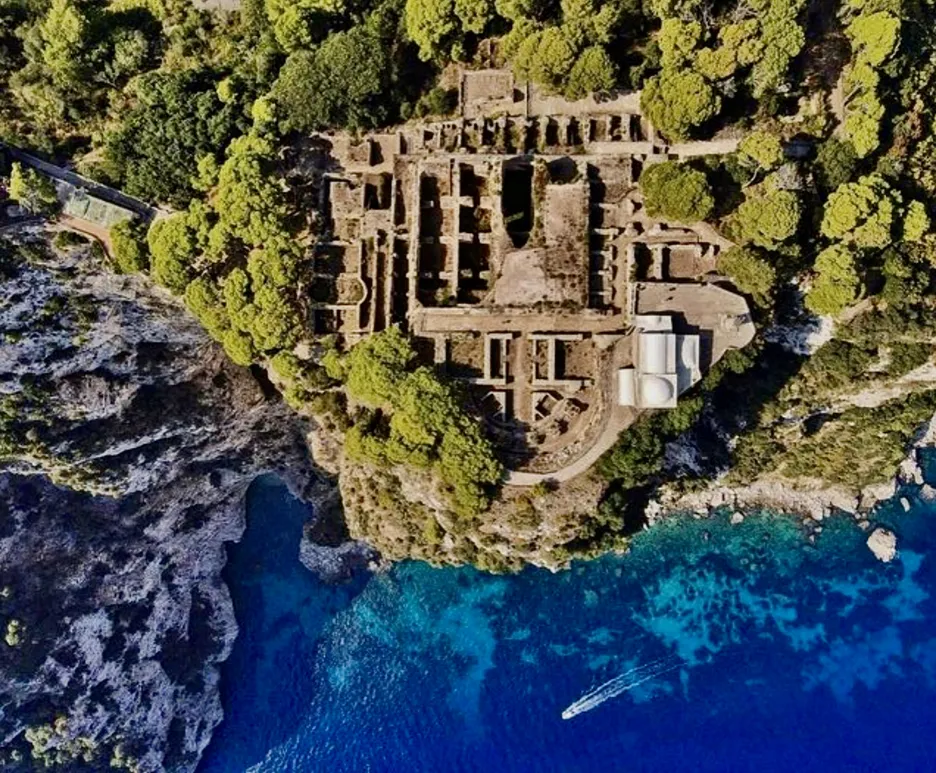
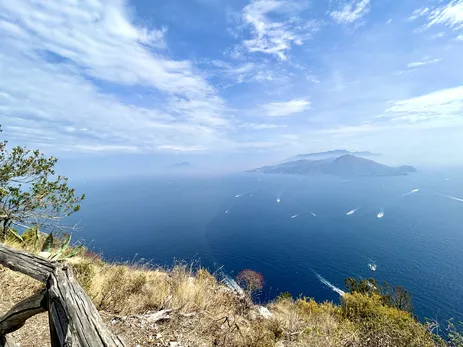
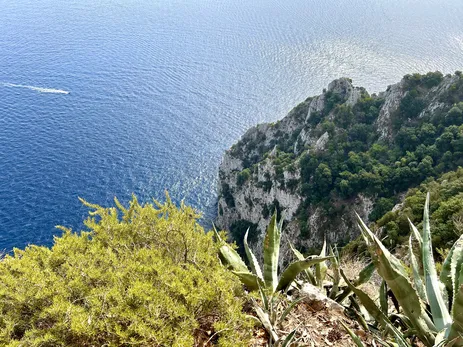
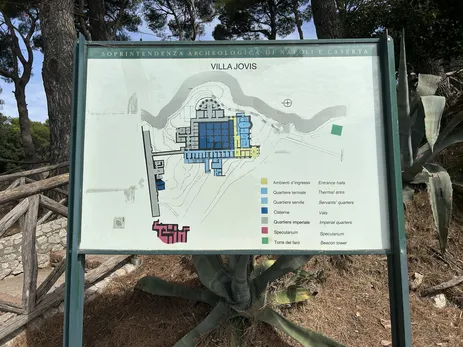
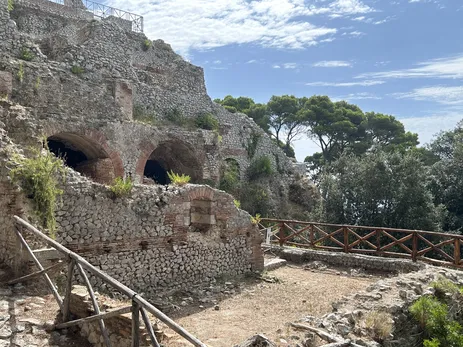
The case of the Archeological Remains of the Roman Villa “Jovis” of the Emperor Tiberius in Capri (Italy)
The Beauty of Architectural Surfaces
An introduction to technical aspects
WS 2023|24
Abstract
The BA Project "The Beauty of Architectural Surfaces. An introduction to historical and technical aspects" is aiming at providing students with basic knowledge of the different manufacturing processes especially for the execution of architectural surfaces from Ancient times to Modern Eras.
The different styles in plastering will be taught and their importance with respect to political and iconographic aspects will be stressed. Degradation patterns and restoration techniques especially for architectural surfaces will be illustrated.
Deterioration patterns due to erosion, discolorations and deposit will be highlighted focusing on differences between colors, staining and patina stressing the idea of natural Patina as a value as well as the concept of patination in restoration.
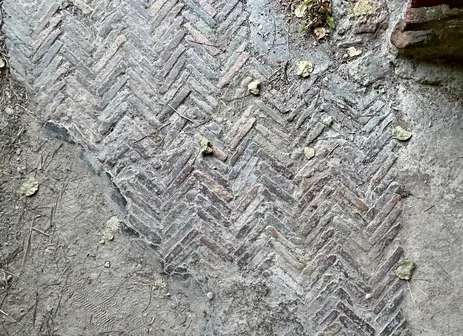
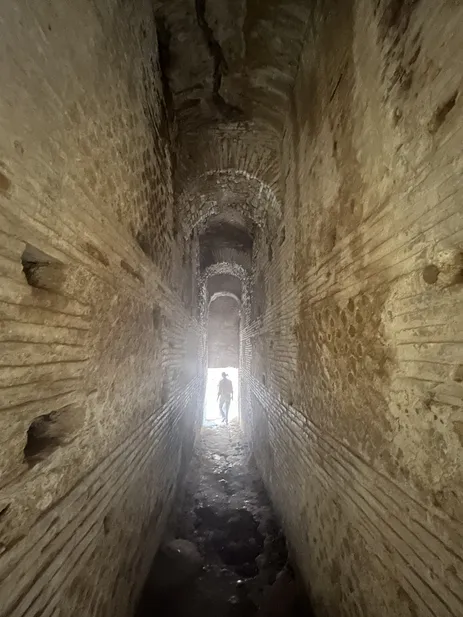
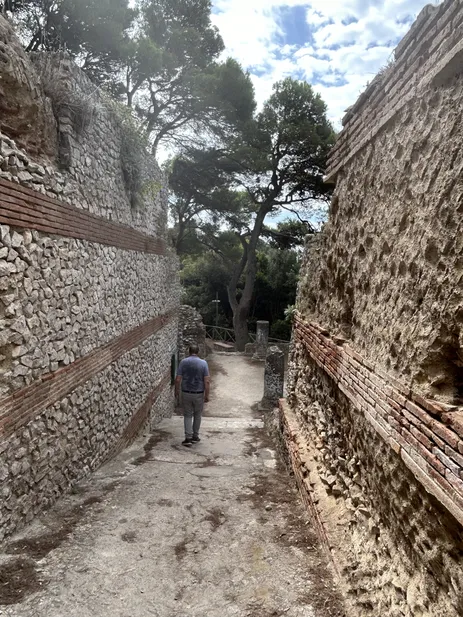
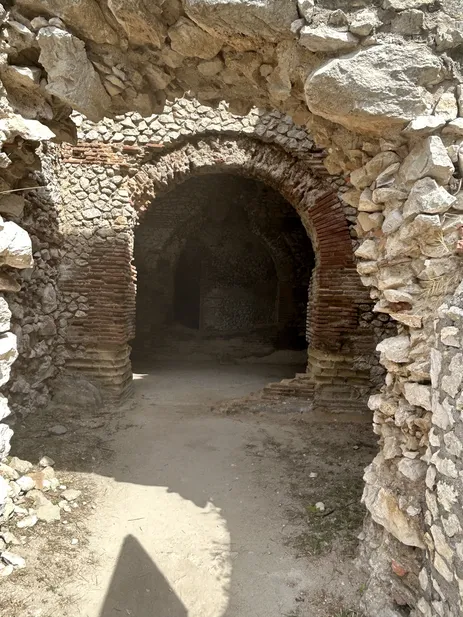
Classes are designed in a dual form of frontal lectures and review meetings, spinning around the following applicative case study: the Archeological remains of the Roman Villa Jovis of the Emperor Tiberius in Capri (Italy), along with its historic protected garden.
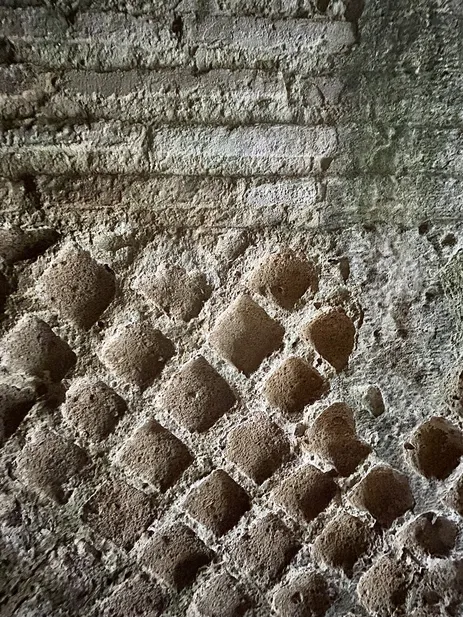
(Step 1) The different manufacturing techniques of architectural surfaces starting from natural stoneworks to roman concrete will be taught. Students will be asked to reproduce different types of surfaces in their ornamental compositions and aesthetic features by pencil drawing (design from models).
(Step 2) Further, upon successful completion of this module, students will be able to evaluate the state of conservation of historical architectural surfaces, along with their specific deterioration pathologies. This goes with a basic understanding of interventions needed to preserve surfaces while envisioning architectural choices based on awareness.
(Step 3) Here, student will be asked to provide their “own ideas” for the musealization of the site as well as for the design of protective shelters in archeological sites. These will be especially conceived for the case study of this semester and with respect to specific sectors of the Villa.
| Lecturer/s | Roberta Fonti, Thomas Danzl |
| Collaborator/s | Marco Migliozzi |
| In collaboration with Archaeologist Pierfrancesco Talamo, Soprintendenza Parco Archeologico Campi Flegrei | |
| Type/ Credits | Project + Excursion / 6 SWS, 9 ECTS |
| Semester | WS 2023|24 |
| Language | English (learning materials in German/English, individual review meetings in English) |
| Dates | Kick off 17.10.2023, 13:15 Room 0503.02.349 Every Tuesday 13:15 Excursion to Naples and Capri, 07-10.11 Final Presentation 05.03.2024 |
| Guest Critic | Prof. Alexander Schwarz, University of Stuttgart Dr. Archaeol. Pierfrancesco Talamo, Italian Ministry of Culture |
| Downloads | General presentation of the course and the case study |
| Links |

Further information / downloads
1. The use of the term architectural surface by conservator-restorers
2. Guidelines for the drawing from pictures
3. List of drawing materials and tips
4. Format for the drawing from pictures
5. Example for the drawing from pictures
6. Guidelines for mapping materials and degradation patterns
7. Example of orthophotos and degradation patterns
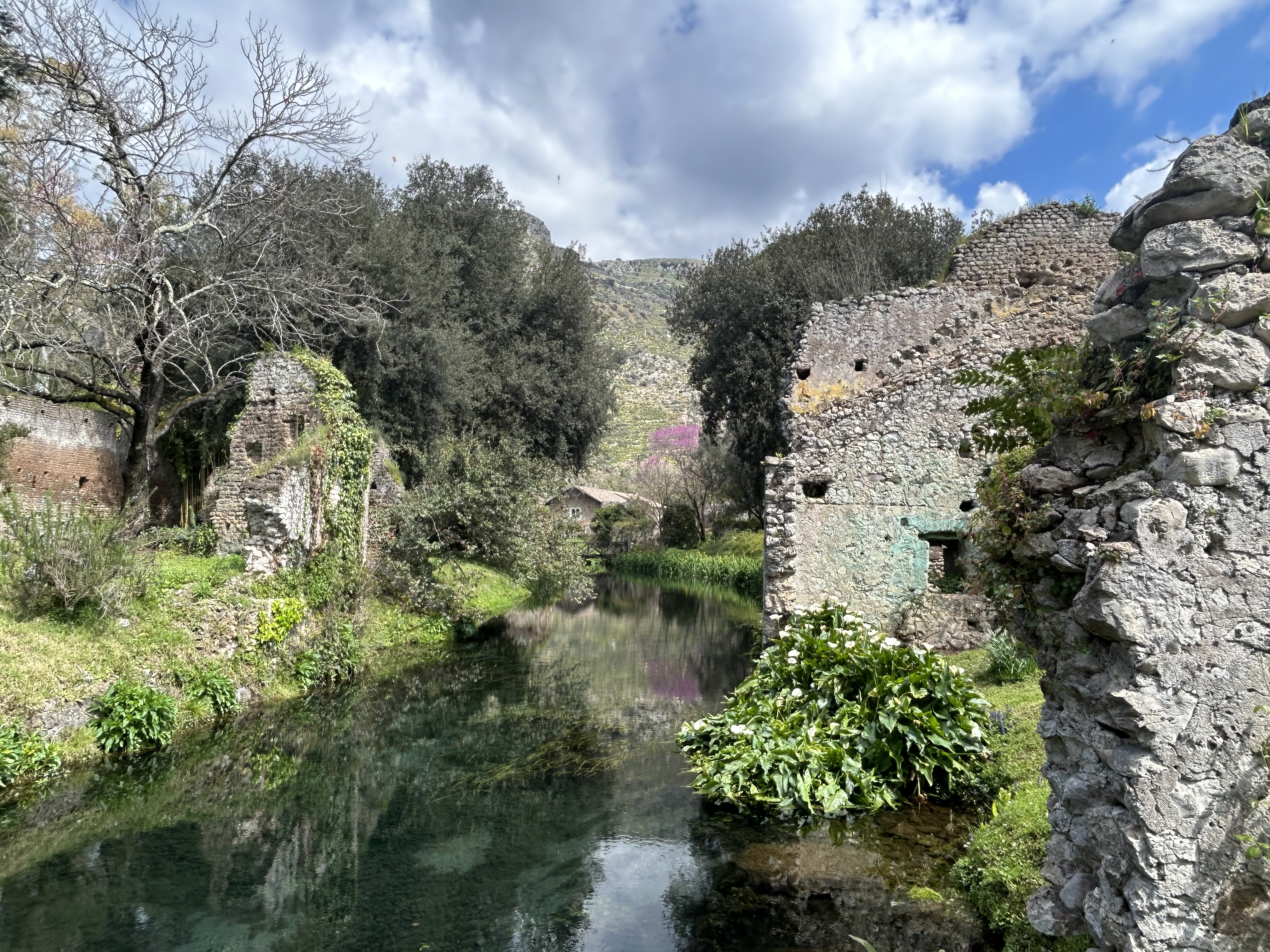
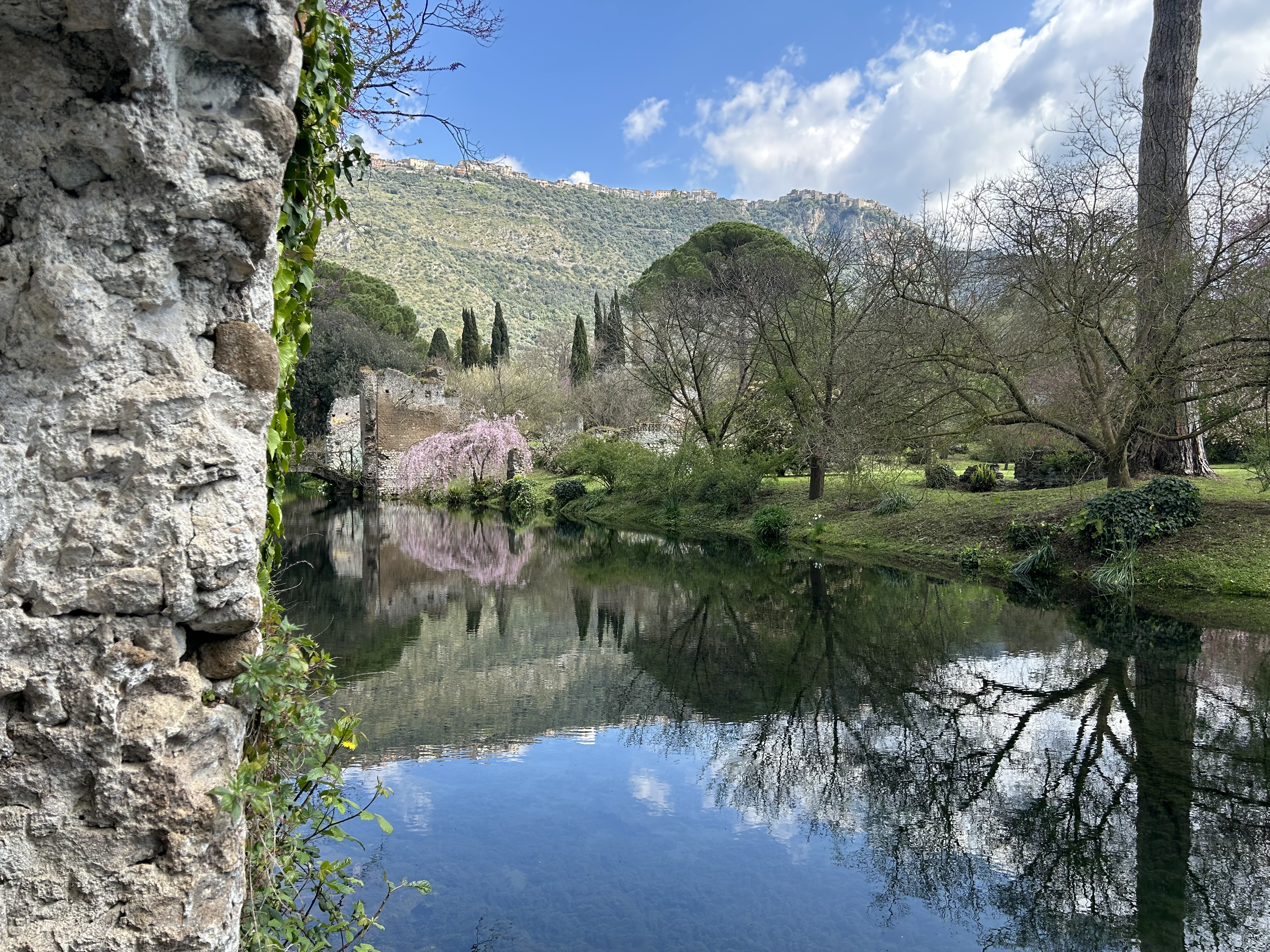
The case of the remains of the Medieval City of Ninfa, Latina (Italy)
The Beauty of Architectural Surfaces
An introduction to technical aspects
SS 2023
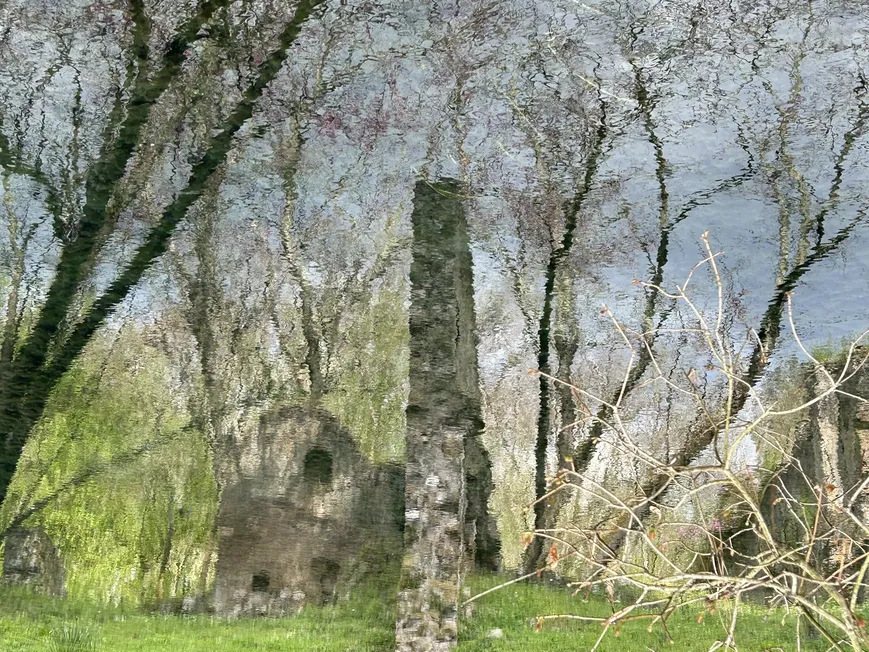
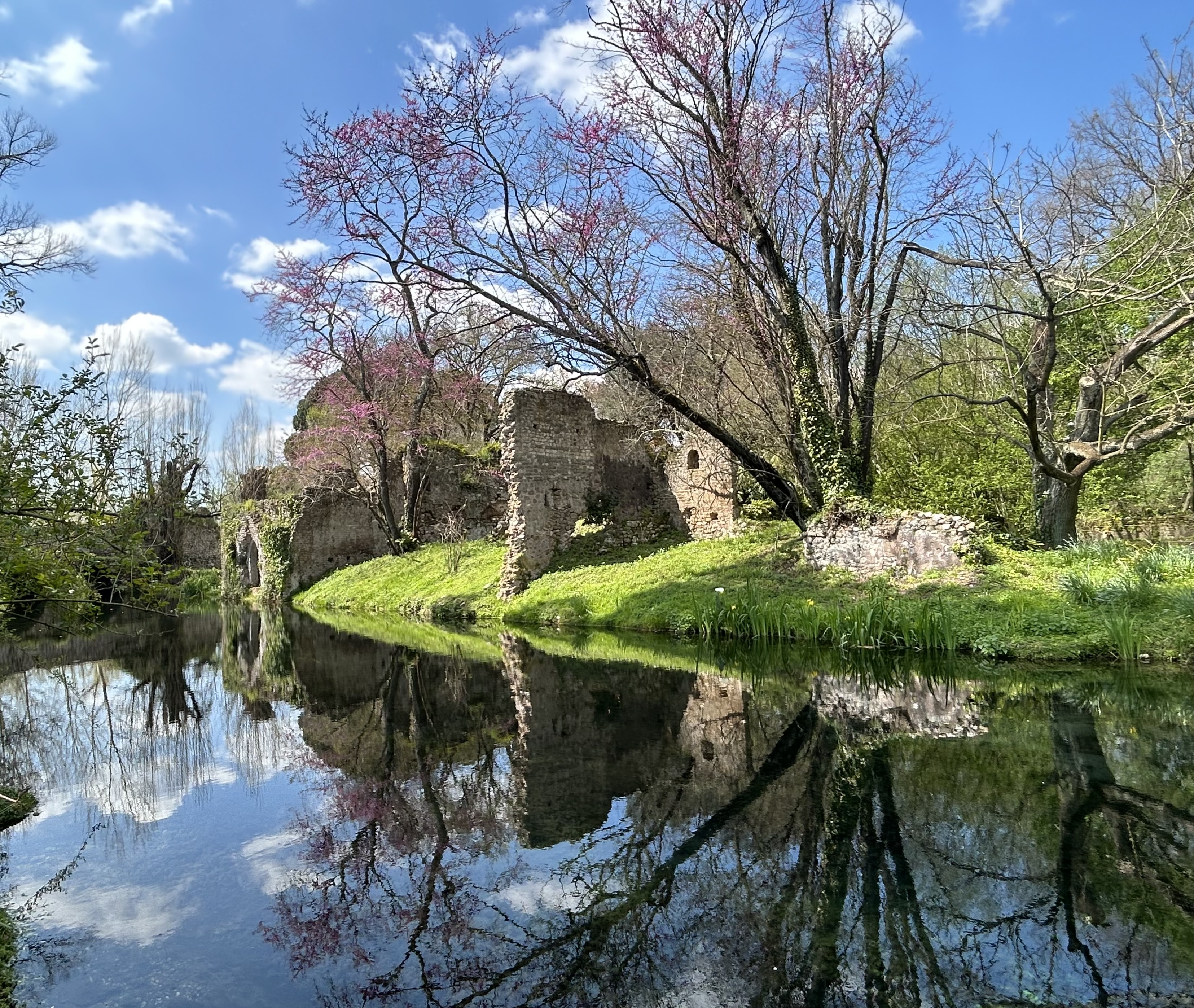
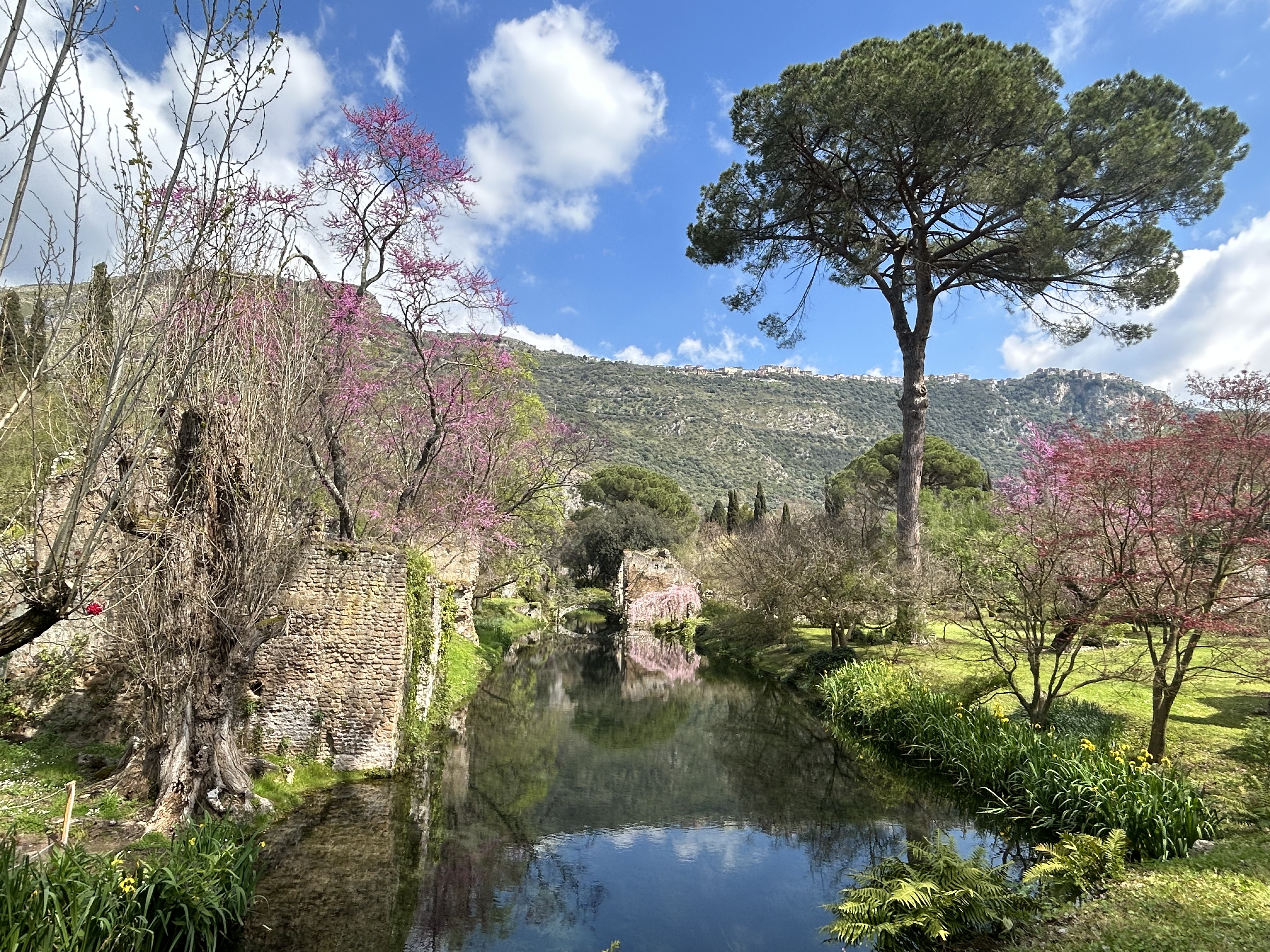
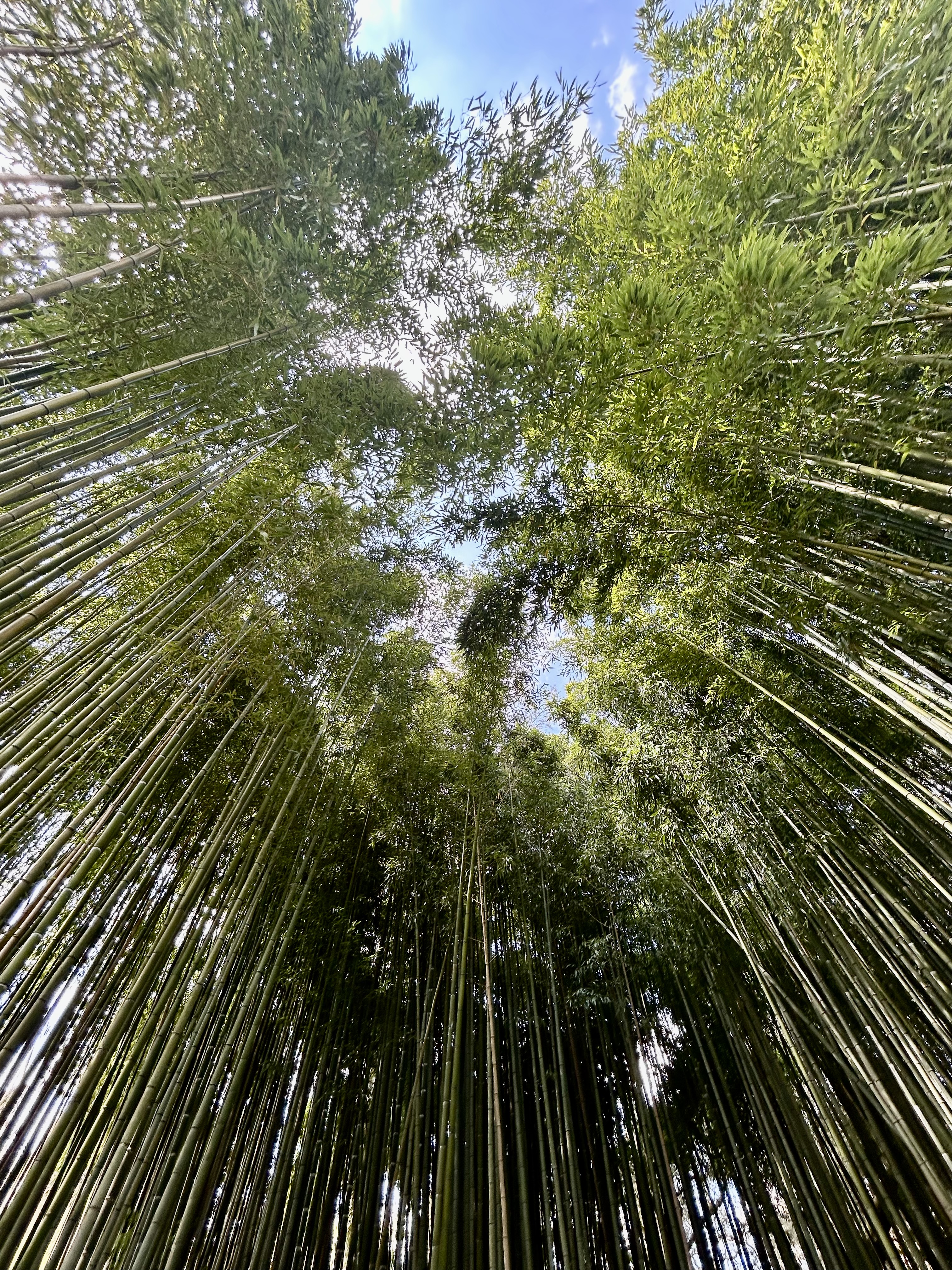
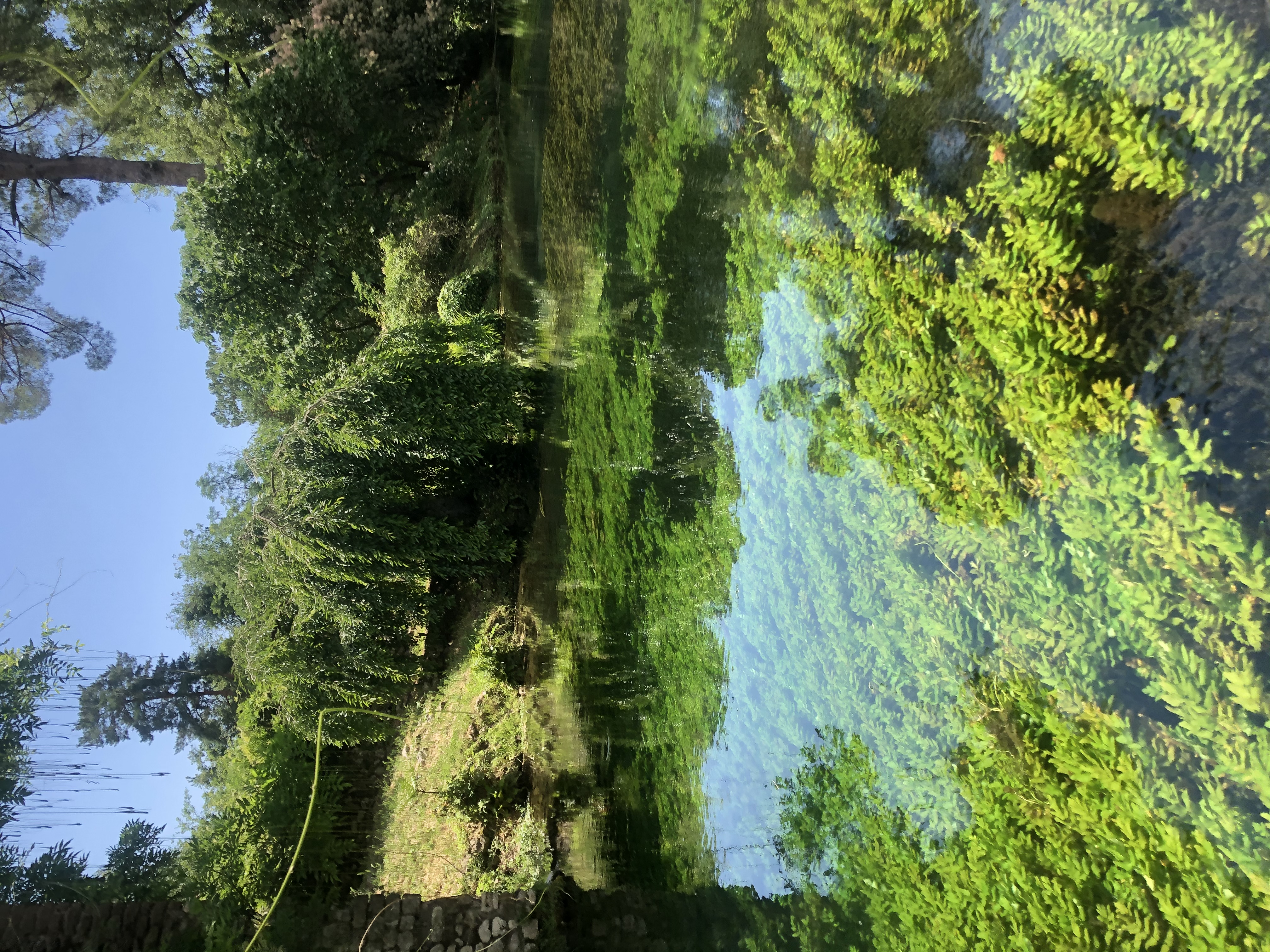
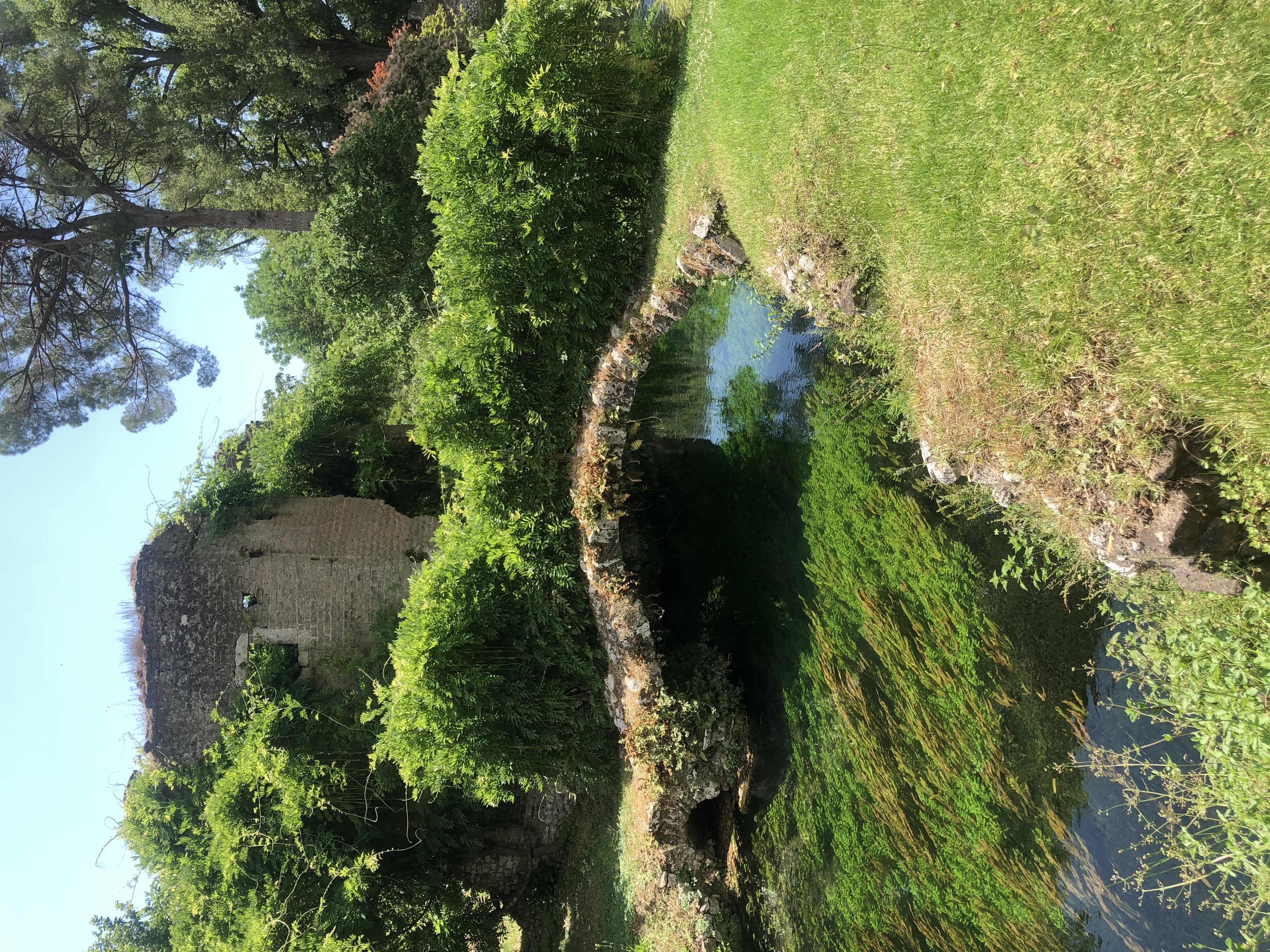
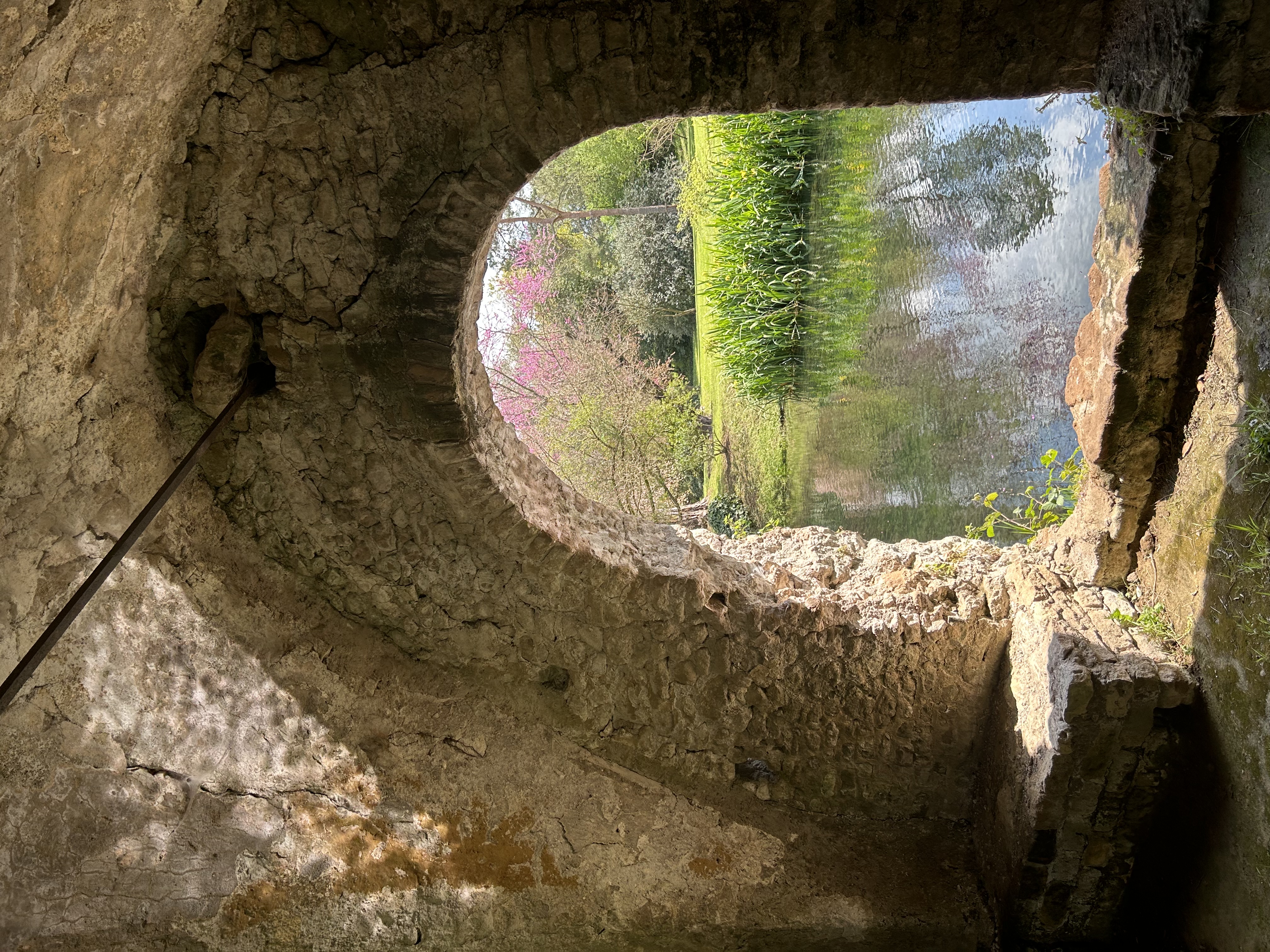
[...] We are talking about the medieval city of Ninfa, whose stunning ruins, within the snaking of the river that goes by this same vague name, are truly an extraterritorial and extratemporal place. It seems it is timeless, because even the wonderful and varied vegetation (which the Caetani family, with most loving care, intruded among the ruins) seems, rather than layered over the years, settled on a happy edge. In this way every season, even the most rigid, has its flowers, its herbs, its scents. Only in certain paintings, such as Woburn Abbey, by Canaletto when he went to England, can one breathe such a zephyr. Coming from the breath of Fairies or Nymphs, it reaches the groves of orange trees, the masses of corymbs black as bronze to the magnolias with flowers as small as gardenias. Yet it is not that Ninfa is mannered(manierata); the art is hidden, the meadows blossom as it is by chance, and groups of trees seem to have been sown according to the will of the birds and the winds, randomly depositing the seeds. There is no park, no garden, nor villa that has such both secret and visible charms, such greater level of spontaneity obtained with the most hidden artifice. It will be said, "beati possidentes” (god bless who owns it) ; but the “beati possidentes” did not make it a "hortus conclusus”. There is no doubt that this illustrious papal family (Caetani) has made for themselves, through Ninfa, a living monument to which they could bind such an ancient name for all posterity, and not only for scholars. [...] (Cesare Brandi)
Abstract
The course has been conceived with a three-step structure namely: (1st step) Manufacturing processes and techniques; (2nd step) Design according to standards and Restoration techniques and (3rd step) Conservation-Restoration Project of the case study.
Classes are designed in a dual form of frontal lectures and review meetings spinning around an applicative case study of the remains of the Medieval City of Ninfa.
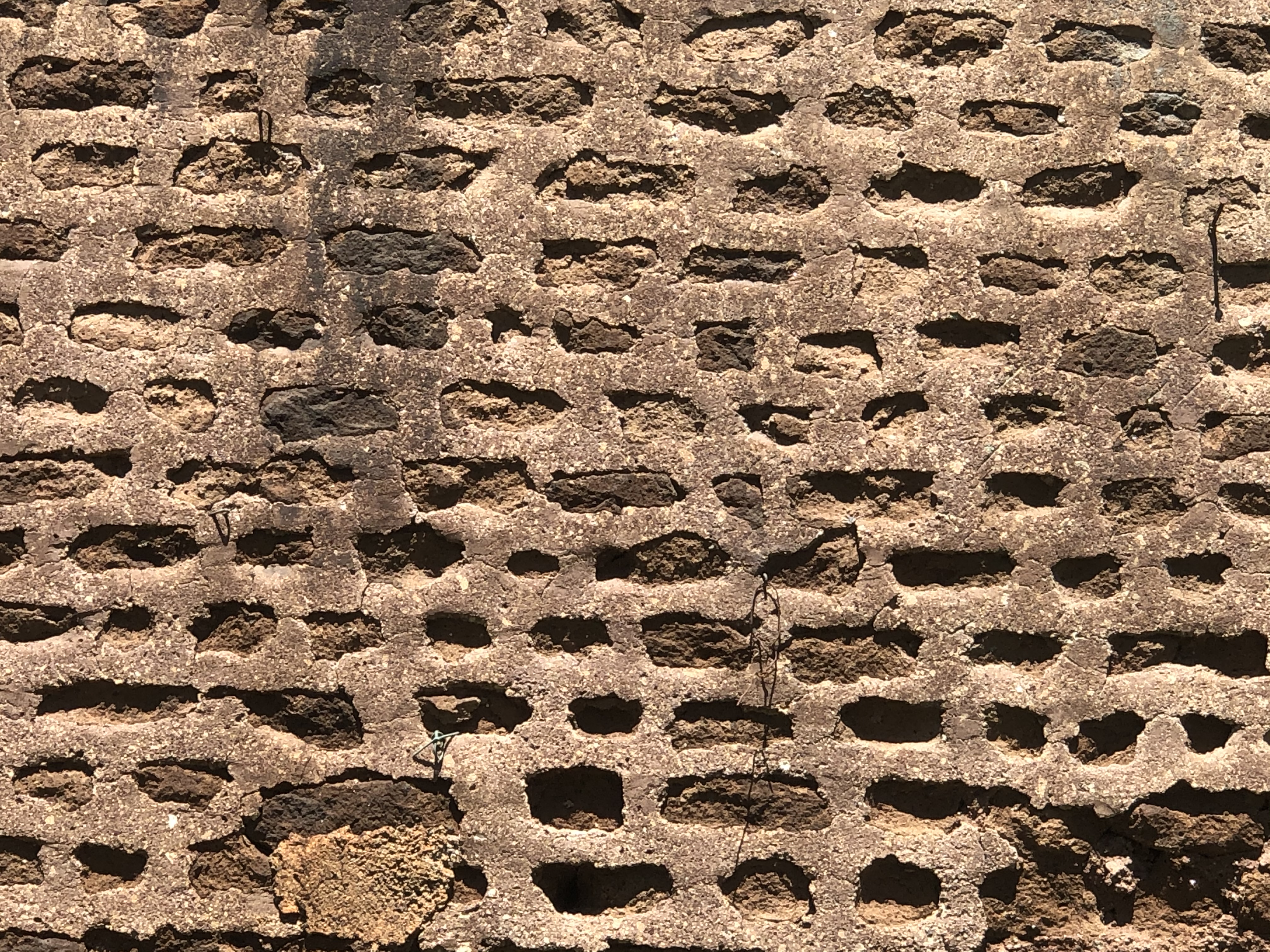
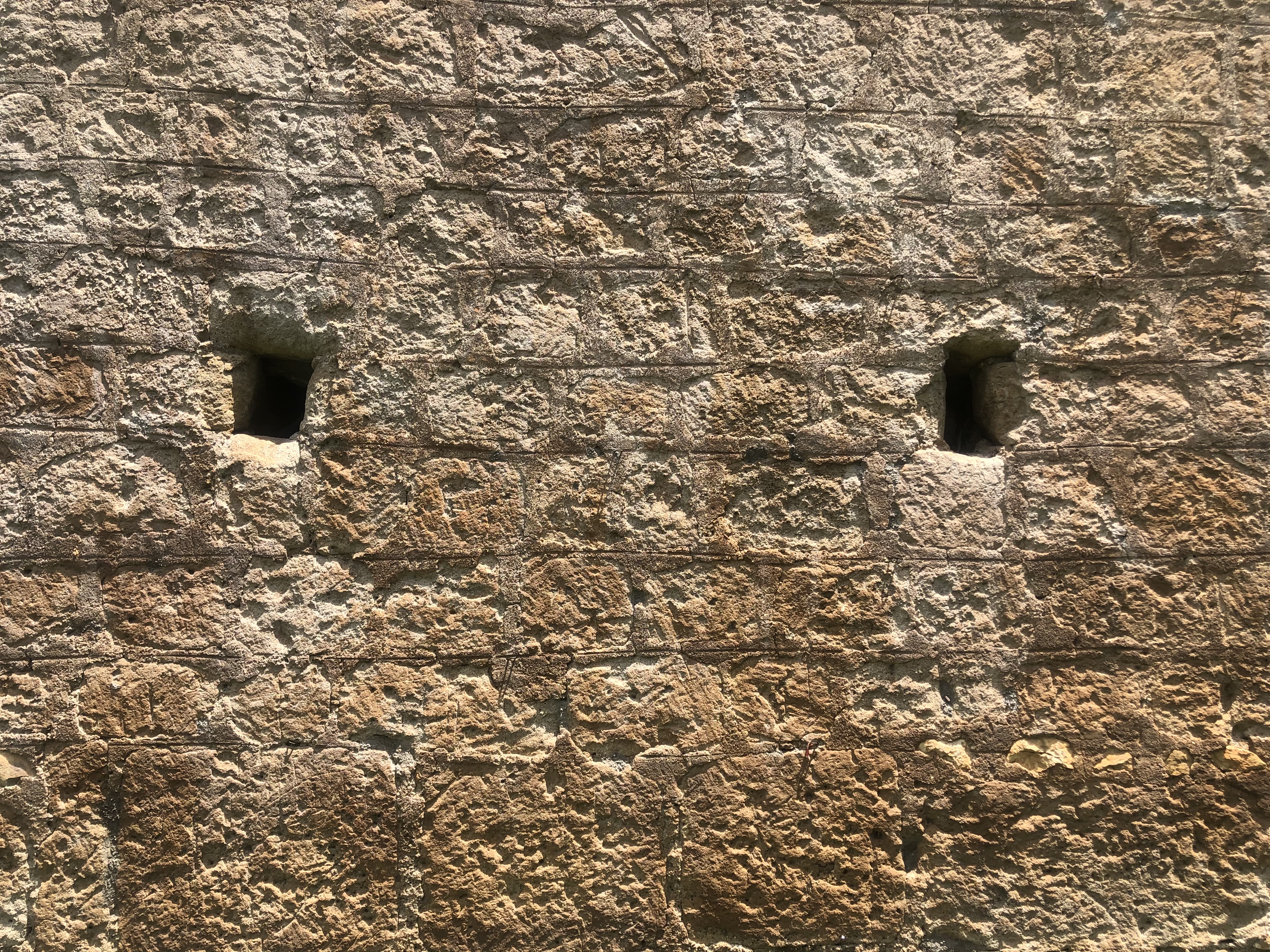
(1st step) According to expertise, the lecturers involved will introduce the different manufacturing techniques of surfaces starting from stone works to Roman rendering fresco works and stucco works. Students will be asked to reproduce different types of surfaces in their ornamental compositions and aesthetic features by pencil drawing (design from models), and all the while conceiving novel solutions for the missing surfaces.
(2nd step) Mapping of materials and degradation patterns is expected to be delivered by comply with international standards and guidelines (i.e. ICOMOS-ISCS: and NorMal – 1/88) and by means of computer-aided techniques (CAD).
(3rd step) Student will be asked to provide us with their “own ideas” for the use of remains, which are not accessible to the public - in the of the context of the historic Garden - and the accessibility of the site and paths of the Garden as a whole
| Lecturer/s | Roberta Fonti, Thomas Danzl |
| in collaboration with the „Roffredo Caetani Foundation“ and the University of Rome “La Sapienza” | |
| Type/ Credits | Project + Excursion / 6 SWS, 9 ECTS |
| Semester | SS 2023 |
| Language | English (learning materials in German/English, individual review meetings in English) |
| Dates | Kick off 18.04.2023, 13:30 Room 0503.01.345 Every Tuesday 13:30 Excursion to Ninfa 30.05-04.06 Final Presentation 08.08.2023 |
| Guest Critic | Prof. Daniela Esposito, University of Rome, La Sapienza |
| Downloads | General presentation of the course and the case study |
| Links | TUMonline Moodle |
Further information / downloads
1. The use of the term architectural surface by conservator-restorers
2. Guidelines for the drawing from pictures
3. List of drawing materials and tips
4. Format for the drawing from pictures
5. Example for the drawing from pictures
6. Guidelines for mapping materials and degradation patterns
7. Example of orthophotos and degradation patterns
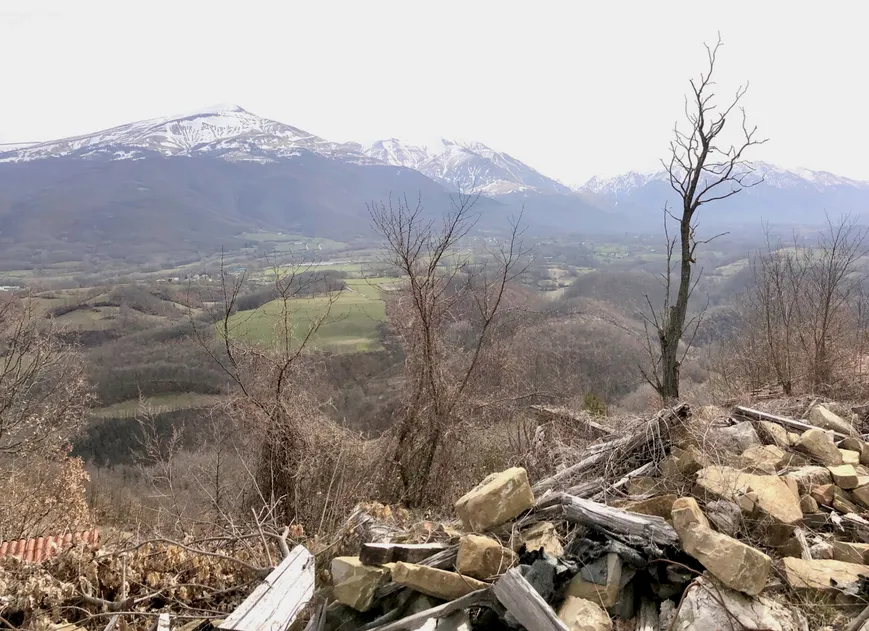
The case of the church of Saint Emidio in Rieti (Italy)
The Beauty of Architectural Surfaces
An introduction to technical aspects
"The reference points are set starting from a centre. And this centre is the village: a house and the bell tower. These two elements establish the dialectical, a field within which man's existence can unfold. Outside remains the unknown toward which it is possible to move so to explore (the unknown). This is as long as one does not lose the possibility of returning to one’s home, to one’s bell tower that guarantees the existence and presence of the individual (on the territory) and, therefore, the cultural operability of the world." (Lombardi Satriani)
| Lecturer/s | Roberta Fonti, Thomas Danzl |
| Type/ Credits | Project + Excursion / 6 SWS, 9 ECTS |
| Semester | WS 2022|23 |
| Language | English (learning materials in German/English, individual review meetings in English) |
| Dates | Kick off 18.10.2022, 13:30 Room 0503.02.349 Every Tuesday 13:30 Excursion to Rome and Rieti 13-17.12 Final Presentation 07.03.2023 |
| Guest Critic | Father Umberto Bordoni, Fondazione Scuola Beato Angelico Valentina Cavalletti, President, Associazione Tutto un Altro Genere |
| Downloads | General presentation of the course and case the study |
| Links | TUMonline Moodle |
Further information / downloads
1. The use of the term architectural surface by conservator-restorers
2. Guidelines for the drawing from pictures
3. List of drawing materials and tips
4. Format for the drawing from pictures
5. Example for the drawing from pictures
6. Guidelines for mapping materials and degradation patterns
7. Example of orthophotos and degradation patterns
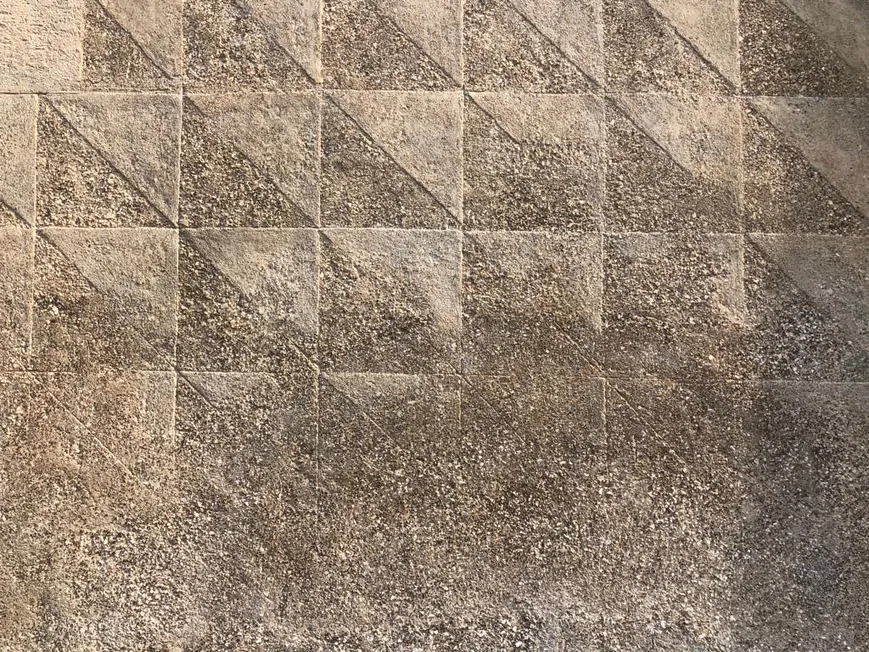
The case of the historic center of Sermoneta (Italy)
The Beauty of Architectural Surfaces
An introduction to technical aspects
"Right on the border of the historian's activity is that of the restorer of monuments. The work carried out [...] for the restoration of the great fortress of Sermoneta, gradually executed in the period between 1905 and 1922, remains as a model of method in these works of consolidation and enhancement of ancient monumental buildings.The magnificent castle that Catenazio, nephew of Boniface VIII, began to rebuild on the ancient fortress of the Annibaldi family and that in the fortunate events of more than two centuries continued to develop in the sturdy fortification structure of transition and in the decorative elegances that look like gentle flowers on impervious rocks. Thanks to the passionate and wise work of Don Gelasio Caetani, this has now been resurrected and stands solemnly over the Pontine lowlands [...]". (Gustavo Giovannoni)
Abstract
The course has been conceived with a three-step structure namely: (1st step) Manufacturing processes and techniques; (2nd step) Materials, Degradation patterns and Restoration techniques and (3rd step) Conservation-Restoration Project of the case study.
Classes are designed in a dual form of frontal lectures and review meetings spinning around an applicative case study: The typical dwelling of the historical peak settlement of Sermoneta.
(1st step) According to expertise, the lecturers involved will introduce the different manufacturing techniques of surfaces starting from Stone Works to Roman rendering fresco works and sgraffito decorations. Students will be asked to reproduce different types of surfaces in their ornamental compositions and aesthetic features by pencil drawing (design from models), and all the while conceiving novel solutions for the missing stones of external surfaces.
(2nd step) Mapping of materials and restoration techniques by means of computer-aided methods.
(3rd step) Student will be asked to provide us with their “own ideas for the repurposing”strategy of the case study with respect to the (i.) Accessibility of the site and the surrounding area as well as the built landscape of the historic properties of the Caetani concentrating on the mediaeval “Stone Age” of Sermoneta. Students will be, then, asked to deliver a master plan representative of their conservation-restoration strategy especially for historic centre of Sermoneta and concentrating on specific tasks focusing on sustainable models of tourism, so to let people to experience culture in remotely located sites. A detailed (ii.) conservation-restoration project of a typical dwelling of the historical peak settlement of Sermoneta will be asked to be delivered.
| Lecturer/s | Roberta Fonti, Thomas Danzl |
| Collaborator/s | Nadia Thalguter |
| in collaboration with the „Roffredo Caetani Foundation“ and the Municipality of Sermoneta | |
| Type/ Credits | Project + Excursion / 6 SWS, 9 ECTS |
| Semester | SS 2022 |
| Language | English (learning materials in German/English, individual review meetings in English) |
| Dates | Kick off 26.04.2022, 13:30 Every Tuesday 13:30 Excursion to Sermoneta (Latina, Italy) 12-16.06 Final Presentation 02.08.2022 |
| Guest Critic | Prof. Arch. Elisabetta Pallottino, University of Rome, RomaTre Prof. Arch. Michele Zampilli, University of Rome, RomaTre Prof. Arch. Francesca Geremia, University of Rome, RomaTre Prof. Arch. Paola Porretta, University of Rome, RomaTre |
| Download | General presentation of the course and the case study |
| Links | TUMonline Moodle |
Further information / downloads
1. The use of the term architectural surface by conservator-restorers
2. Guidelines for the drawing from pictures
3. List of drawing materials and tips
4. Format for the drawing from pictures
5. Example for the drawing from pictures
6. Guidelines for mapping materials and degradation patterns
7. Example of orthophotos and degradation patterns
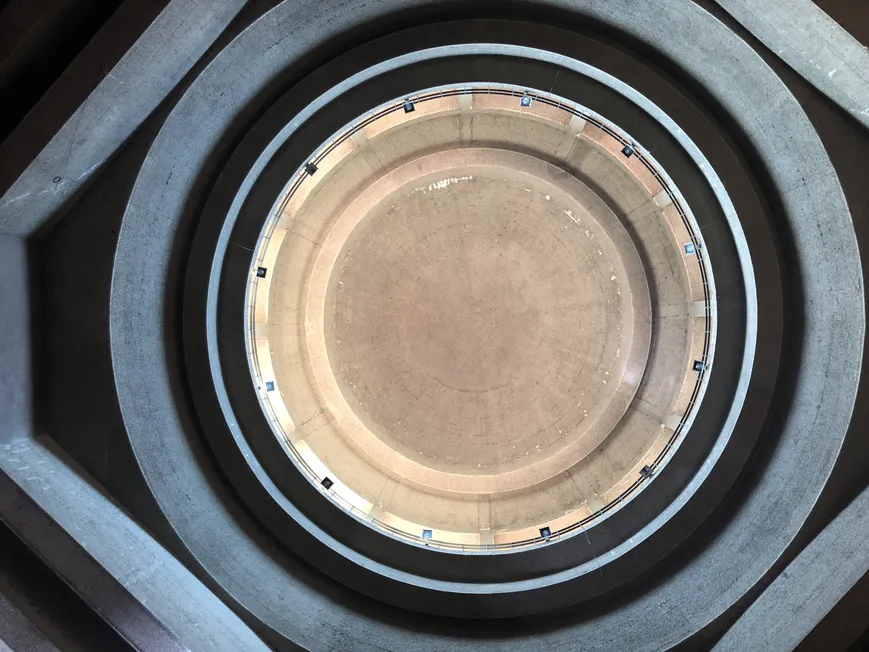
Case Study: Church of Sacred Heart of Christ the King by Marcello Piacentini
The Beauty of Architectural Surfaces
An introduction to technical aspects
“It is well known that ecclesiastical constructions [...] from a planimetric point of view can all be reduced to two fundamental schemes: the Latin cross and the Greek one. [...] there is a great difference between these two basic types […] the emotional feeling that the view of their interiors gives to those who enter these churches and walk down the nave. [...] in the first case the motif of the dome appears too late, in the second case too early, and the imagination of the person entering the church undergoes an excessively sudden impression. When designing the new church, I tried to find an intermediate solution between the two [...] so that the visitor can embrace the entire triumphal space of the dome from the entrance with a view of about 30 degrees - in other words, this has not be too steeply inclined.”
Marcello Piacentini, Il Tempio Votivo Internazionale della Pace dedicato al Sacro Cuore di Cristo Re,
in «Architettura», a. XII, n. IX, settembre 1934, pp. 513-531 (in Italian).
Abstract
The course has been conceived with a three-step structure namely: (1st step) Manufacturing processes and techniques; (2nd step) Materials, Deterioration patterns and Restoration techniques and (3rd step) Conservation-Restoration Project of the case study.
Classes are designed in a dual form of frontal lectures and review meetings spinning around an applicative case study: Church of Sacred Heart of Christ the King by Marcello Piacentini.
(1st step) According to expertise, the lecturers involved will introduce the different manufacturing techniques of surfaces starting from brick works to Roman rendering fresco works and exposed reinforced concrete surfaces. Students will be asked to reproduce different types of surfaces in their ornamental compositions and aesthetic features by pencil drawing (design from models), and all the while conceiving novel solutions for the missing bricks and concrete coating of external surfaces.
(2nd step) Mapping of materials and restoration techniques by means of computer-aided methods (CAD). These will focus on the fresco work by Funi and brickworks.
(3rd step) Student will be asked to provide us with their “own ideas for the repurposing”strategy of the case study with respect to the (i.) Cripts, (ii.) the interspace between the masonry and concrete parts of the church and (iii.) the complection of the main facade (iv.) the peristyle around the choir (v.) the inner staircases (vi.) the roof terraces.
| Lecturer/s | Roberta Fonti, Thomas Danzl |
| Collaborator/s | Nadia Thalguter, Clarimma Sessa |
| Type/ Credits | Project + Excursion / 6 SWS, 9 ECTS |
| Semester | WS 2021|22 |
| Language | English (learning materials in German/English, individual review meetings in English) |
| Dates | Kick off 19.10.2021, 13:15 Every Tuesday 13:30 Excursion to Rome 10-15.12.2021 Final Presentation 15.03.2022 |
| Guest Critic | Prof. Arch. Giovanni Carbonara, Emeritus, University of Rome, La Sapienza |
| Download | General presentation of the course and the case study |
| Links | TUMonline Moodle |
Further information / downloads
1. The use of the term architectural surface by conservator-restorers
2. Guidelines for the drawing from pictures
3. List of drawing materials and tips
4. Format for the drawing from pictures
5. Example for the drawing from pictures
6. Guidelines for mapping materials and degradation patterns
7. Example of orthophotos and degradation patterns
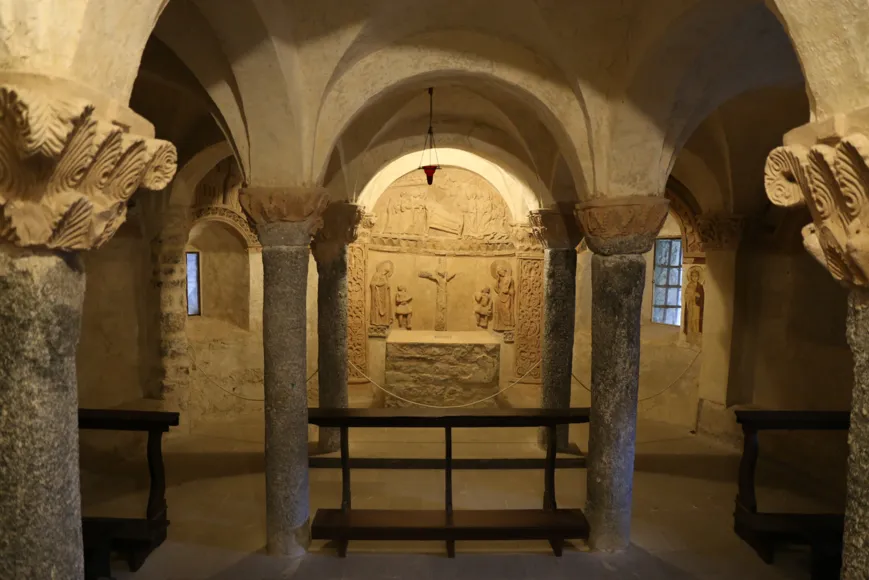
Case Study: The Monastic Complex of San Pietro al Monte in Civate, Italy
The Beauty of Architectural Surfaces
An introduction to technical aspects
“Certainly, St Benedict was adorned by a decoration which was illustrating a liturgical theme. And we can confidently state this, because of the traces of this remained, and because Christian thought has never allowed the mere research of beauty for the sake of its aesthetic enjoyment. Rather, Christians sought beautiful and persuasive forms to talk to believers. The house of God was intended to be made, not a Monument. On the contrary, today, churches are restored to be monuments, not to serve the worship of God. A mistaken and laical mentality that does not conform to the thinking of the Holy Church.”
Original: “Certamente il S. Benedetto é stato vestito a sua volta da una decorazione che illustrava un tema liturgico. E ció possiamo attestare con sicurezza perché ne rimangono le vestigia e perché il pensiero cristiano non ha mai ammesso la ricerca della pura bellezza per il godimento estetico ma ricercava forme belle e persuasive per parlare ai fedeli. Si faceva la casa di Dio e non il Monumento: ora invece si restaurano le chiese per farne monumenti, non perché abbiamo a servire il culto di Dio. Mentalità laica e sbagliata non conforme al pensiero della S. Chiesa.”
Giuseppe Polvara, 1942
Abstract
The course has been conceived with a three-step structure namely: (1st step) Manufacturing processes and techniques; (2nd step) Materials, Degradation patterns and Restoration techniques and (3rd step) Conservation-Restoration Project of the case study.
Classes are designed in a dual form of frontal lectures and review meetings spinning around an applicative case study: Monastic complex of San Pietro al Monte in Civate.
(1st step) According to expertise, the lecturers involved will introduce the different manufacturing techniques of surfaces starting from Stone Works to Roman rendering fresco works and terracotta decorations. Students will be asked to reproduce different types of surfaces in their ornamental compositions and aesthetic features by pencil drawing (design from models), and all the while conceiving novel solutions for the missing stones of external surfaces and the holy staircase.
(2nd step) Mapping of materials and restoration techniques by means of computer-aided methods (CAD). These will focus on the fresco works of the Entrance at the Counter-main-Facade.
(3rd step) Student will be asked to provide us with their “own ideas for the repurposing”strategy of the case study with respect to the (i.) Accessibility of the site and the surrounding natural parks as well as the built landscape of the historic city of Civate.
Students will be, then, asked to deliver a “master plan” representative of their conservation-restoration strategy especially for the Monastic complex of San Pietro al Monte - including the ruins of the former monastery - focusing on sustenable models of tourism, so to let people to experience culture in remotely located sites. A detailed (ii.) redevelopment strategy for the new design of sacral spaces will also be asked to be delivered having a focus on the main altar and the enonarhtex.
| Lecturer/s | Roberta Fonti, Thomas Danzl |
| Collaborator/s | Jacopo Benedetti, Nadia Thalguter |
| Type/ Credits | Project + Excursion / 6 SWS, 9 ECTS |
| Semester | SS 2021 |
| Language | English (learning materials in German/English, individual review meetings in English) |
| Dates | Kick off 13.04.2021, 13:15 Every Tuesday 13:15 Excursion to Milan 20-23.04.2021 Final Presentation 10.08.21 |
| Guest Critic | Father Umberto Bordoni |
| Download | General presentation of the course and the case study |
| Links | TUMonline Moodle |
Further information / downloads
1. The use of the term architectural surface by conservator-restorers
2. Guidelines for the drawing from pictures
3. List of drawing materials and tips
4. Format for the drawing from pictures
5. Example for the drawing from pictures
6. Guidelines for mapping materials and degradation patterns
7. Example of orthophotos and degradation patterns